Chenyou GLRIEES custom hat manufacturer logo CHENYOU · GLRIEESCustom Headwear Factory

2026 Top Winter Hat Types for Global Buyers?

Time:2026-10-03 Author:Liam
0%

Winter Hat selection is becoming a practical buying decision, not merely a seasonal fashion choice. Global buyers now compare warmth, material traceability, fit, packaging, and landed cost before approving orders. The McKinsey and Business of Fashion State of Fashion 2025 report describes a cautious market, with consumers demanding stronger value from every purchase. That pressure reaches winter accessories. A soft beanie must still justify its price.

Market reports show continuing category potential, although their definitions differ. Grand View Research places the global headwear market on a growth path through 2030, supported by outdoor lifestyles, athleisure, and regional climate needs. Statista’s consumer data also indicates that online fashion purchasing remains significant across major markets. These findings suggest opportunity, but they do not guarantee sales. A buyer in Stockholm needs insulation. A buyer in Seoul may prioritize styling and light weight. A distributor in Canada may require dependable sizing across thick hair and protective helmets.

This guide examines the 2026 Top Winter Hat Types for Global Buyers through a sourcing lens. It considers wool, recycled polyester, acrylic, fleece-lined, trapper, earflap, and performance designs. Supplier experience matters here. Stitch density, seam recovery, colorfastness, and moisture control can decide whether a sample becomes a repeat order. Small details matter.

However, forecasts can mislead. Weather is unpredictable, and trend data changes quickly. Buyers should validate demand with regional sales records, independent product testing, and transparent factory documentation. A fashionable Winter Hat may attract attention, yet poor fit can quietly damage returns, reviews, and long-term trust.
2026 Top Winter Hat Types for Global Buyers?

Winter Hat Market Trends Shaping Global Buyer Choices in 2026

2026 Top Winter Hat Types for Global Buyers?

Winter Hat Market Trends Shaping Global Buyer Choices in 2026

Global buyers are choosing winter hats for performance, comfort, and clearer sourcing information. Lightweight knitted beanies remain popular in urban markets. However, buyers now expect warmer linings without bulky shapes. Recycled fibers, soft fleece interiors, and traceable material records are influencing purchasing decisions. Neutral colors sell steadily, while seasonal shades help retailers test demand without excessive inventory.

Weather variation is also changing product selection. Buyers in wet regions often prefer water-resistant outer fabrics and quick-drying linings. Cold, dry markets may favor wool blends, thermal caps, or hats with extended ear coverage. Adjustable fits are gaining attention because one size does not suit every customer. Small details matter, including flat seams, washable labels, and secure stitching. Quality checks should include stretch recovery, colorfastness, and lining comfort after repeated wear.

Tips: Compare samples in realistic conditions, not only under showroom lights. Check warmth, moisture handling, and size consistency. Ask suppliers for recent test records and production photos. Do not trust every trend report. Some forecasts miss local habits, especially where winters are mild. A practical buyer may need fewer styles, but better regional adaptation. This is not always the easiest choice. Yet it can reduce unsold stock and customer complaints.

Key Materials, Insulation Methods, and Construction Features

2026 winter hats will be judged by insulation, material efficiency, and construction details. Textile Exchange’s Materials Market Report 2024 recorded 124 million tonnes of global fiber production in 2023. That scale makes material selection important. Recycled polyester offers light weight, quick drying, and stable supply. Merino wool provides warmth, odor control, and moisture buffering. Acrylic costs less, but it may pill faster. Natural fibers are not automatically better.

Insulation depends on structure, not fiber names alone. A dense rib knit reduces air movement around the head. A fleece lining adds softness and traps warm air. Quilted hats can hold synthetic or down insulation, but poor stitching creates cold channels. Laboratory testing under ISO 11092 measures thermal resistance and evaporative resistance. Buyers should request test conditions, not only temperature claims. A hat rated for dry city winters may fail in wet, windy ports. Small details matter. Flat seams reduce pressure under helmets. A shaped crown improves fit. Elastic recovery should be checked after repeated stretching.

Tips: Ask for fiber percentages, lining weight, insulation weight, seam construction, and shrinkage results. Check colorfastness after washing. It sounds basic. It is often missed. During sampling, bend the brim, rub the inner lining, and inspect exposed threads. A promising fabric can still perform poorly. I have seen soft hats lose shape after limited wear. That weakness deserves more attention in buying decisions. Sources: Textile Exchange Materials Market Report 2024; ISO 11092 thermal and water-vapor resistance testing.

2026 Top Winter Hat Types for Global Buyers? - Key Materials, Insulation Methods, and Construction Features

A practical comparison of winter hat categories, material options, insulation systems, and construction considerations for international sourcing.

Hat Type Typical Shell Materials Insulation or Lining Method Key Construction Features Relative Warmth Best Climate or Use Important Buyer Considerations
Cuffed Rib-Knit Beanie Wool, merino wool, acrylic, recycled polyester, or blended yarns Natural yarn warmth; optional polyester fleece or brushed jersey lining Stretch rib-knit body, folded cuff, compact crown, flat or low-profile seam finishing Medium to high Urban winter, commuting, moderate cold, everyday outdoor wear Check stretch recovery, pilling resistance, cuff height, head-size range, and shrinkage after washing.
Fleece-Lined Beanie Acrylic knit, polyester knit, recycled polyester, or wool blends Brushed polyester fleece lining retains air and improves next-to-skin comfort Two-layer construction, elastic stretch, coverstitched or taped lining seams High Cold urban environments, travel, outdoor work, and casual winter activities Evaluate fleece weight, static behavior, moisture management, lining attachment, and bulk under helmets.
Watch Cap Acrylic, wool, merino wool, cotton-acrylic, or recycled polyester yarn Usually unlined; warmth comes from dense knit structure and folded lower edge Short, close-fitting crown, rib-knit body, rolled or folded edge, minimal components Medium Layering, workwear, mild-to-moderate winter, helmet-compatible applications Confirm crown depth and stretch because a shallow fit may leave the ears or lower head exposed.
Trapper Hat Polyester, cotton canvas, nylon, wool-blend shell, faux fur, or shearling-style fabric Faux fur, fleece, quilted polyester, or synthetic insulation in crown and ear flaps Extended ear flaps, chin ties or snaps, multi-panel crown, reinforced brim and stress points Very high Freezing conditions, snow activities, winter work, and low-wind outdoor use Inspect ear-flap coverage, tie strength, seam sealing, fur-shed resistance, and packability.
Aviator Hat Polyester, nylon, cotton twill, leather-look fabric, wool blend, or durable canvas Faux shearling, fleece, quilted padding, or synthetic insulation with ear coverage Wide ear panels, adjustable chin strap, curved brim, multi-panel assembly, sometimes a rear size adjuster Very high Windy winter travel, snow sports, outdoor work, and cold-weather fashion Test strap adjustability, ear-panel fit, brim stability, lining comfort, and resistance to wind penetration.
Earflap Cap Wool felt, cotton twill, corduroy, polyester, recycled polyester, or blended woven fabric Fleece, quilted polyester, or light synthetic padding in the earflaps Structured crown, short visor, fold-down ear panels, snap or tie fastening, shaped brim Medium to high Cool and windy conditions, commuting, country wear, and light outdoor activities Review crown stability, visor recovery, earflap attachment, packability, and rain-repellent treatment.
Balaclava Merino wool, polyester, polypropylene, nylon, elastane blends, or technical knit fabrics Single-layer thermal knit, brushed interior, or dual-layer fabric for additional warmth Head-and-neck coverage, flatlock seams, shaped face opening, stretch panels, optional hinged face section High to very high Skiing, cycling, mountaineering, motorcycling, and high-wind exposure Prioritize breathability, moisture transport, face-opening fit, seam comfort, and compatibility with goggles or helmets.
Pom-Pom Knit Hat Acrylic, wool, merino wool, recycled polyester, or mixed yarns Unlined knit or optional fleece lining; pom-pom is mainly decorative rather than insulating Rib, jersey, or cable-knit body; folded cuff; securely attached yarn or faux-fur pom-pom Medium to high Lifestyle retail, family winter accessories, casual snow destinations Check pom-pom pull strength, child-safety requirements, colorfastness, and size grading.
Quilted Insulated Cap Nylon, polyester, ripstop, softshell, or water-repellent woven fabric Quilted polyester or other synthetic batt insulation, often combined with fleece lining Baffled or channel quilting, curved visor, elastic rear section or adjuster, reinforced seam lines High Wet winter, active commuting, hiking, and variable weather conditions Specify insulation thickness, water-repellent performance, quilting consistency, visor shape, and compressibility.
Thermal Balaclava Hood Polyester, merino wool, nylon, elastane, or multi-layer technical fabric Moisture-wicking inner layer with brushed thermal backing or grid fleece construction Integrated head, neck, and face coverage; articulated panels; flatlock seams; extended collar or bib Very high High-output winter sports, cycling, snowmobiling, and prolonged wind exposure Validate breathability, drying speed, odor control, facial fit, seam stretch, and layering compatibility.

Buyer checklist: Confirm fiber composition, fabric weight, insulation type and thickness, head-size grading, seam quality, colorfastness, care instructions, packaging dimensions, and applicable textile safety or labeling requirements in the destination market.

Major Winter Hat Types and Their Distinctive Uses

2026 Top Winter Hat Types for Global Buyers

Winter hats should match climate, activity, and customer expectations.

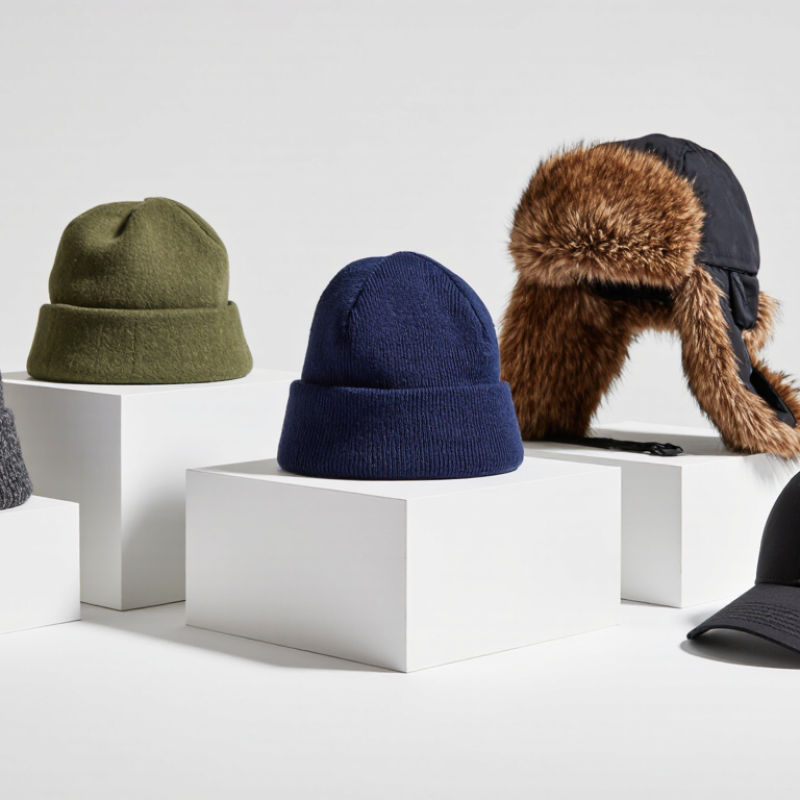
A soft beanie suits daily commuting, travel, and mild urban winters. Its simple shape fits many head sizes and packs easily. Cuffed beanies add warmth around the ears and create a cleaner retail appearance. Buyers should check stretch recovery after repeated fitting. Some low-cost knits loosen too quickly.

Trapper hats serve colder markets with wind, snow, and long outdoor exposure. Their ear flaps protect areas that ordinary hats leave open. Fleece linings feel warm, while water-resistant outer fabrics improve practical use.

Balaclavas cover the head, neck, and part of the face. They suit skiing, cycling, and harsh work environments. However, buyers must review ventilation and visibility carefully. Comfort can disappear during active movement.

Pom-pom hats attract customers seeking warmth with a playful appearance. They work well in lifestyle collections and family-oriented winter ranges.

Berets offer lighter coverage and a more refined, flexible look. They fit autumn-to-winter transitions better than extreme cold.

Material choice remains critical. Wool provides insulation, while acrylic can improve price consistency and easy care. Blended fabrics may perform better, but results vary by construction. I have seen attractive samples fail after washing. Buyers should test shrinkage, seam strength, colorfastness, and fit before placing larger orders. Small details matter.

How Climate, Demographics, and Fashion Influence Hat Selection

Winter hat selection is rarely only a fashion decision. Climate, age, mobility, and local habits often determine what buyers actually wear. In northern markets, thick wool, fleece lining, and ear coverage remain practical for freezing wind. In milder coastal areas, lighter knits may sell better. Moisture matters too. A warm hat that stays wet can quickly lose its value.

Demographics shape demand in quieter ways. Older customers may prefer soft materials, easy adjustment, and secure coverage around the ears. Younger buyers often seek bold colors, compact shapes, and styles that work indoors. Parents usually value warmth, washability, and a comfortable fit more than seasonal novelty. Still, these patterns are not universal. Rural shoppers and urban commuters can choose very differently within the same age group.

Fashion adds another layer. A simple cuffed beanie can appear casual, technical, or refined through color and texture. Neutral shades support everyday use, while bright tones improve visibility during dark commutes. Buyers should check head measurements carefully, because “one size fits most” is not always reliable. I have seen attractive samples fail when seams irritate the forehead or linings trap too much heat. That mistake is easy to repeat. Regional testing, customer feedback, and small trial orders can reveal more than trend reports. Practical comfort should lead, while fashion gives customers a reason to return.

2026 Top Winter Hat Types for Global Buyers

How climate, demographics, and fashion influence winter hat selection

The index combines practical winter performance, moisture protection, breathability, ease of sizing, and fashion versatility on a 0–100 scale. Beanies perform strongly across mild urban winters, while trapper hats and earflap hats are better suited to severe cold. Waterproof bucket hats are more suitable for wet winter climates, and fleece-lined caps appeal to active and style-conscious consumers.

Global Buying Criteria: Sizing, Quality, Compliance, and Sourcing

For global buyers, winter hats must balance warmth, fit, and market appeal. Beanies suit everyday retail, while trapper and earflap hats serve colder regions. Sizing should follow measured head circumference, not vague labels like “one size.” A 58-centimeter sample may fit adults, but stretch, lining, and hair volume can change comfort. Request size charts, tolerance ranges, and physical samples before placing large orders.

Tips:
Measure the inner circumference. Check seam pressure. Test stretch after repeated wear.

Quality depends on construction details. Inspect crown seams, embroidery, rib recovery, lining attachment, and loose fibers. A soft hat may still pill quickly if the yarn is poorly blended. Ask suppliers for material specifications, inspection records, and test results that match the actual production batch. Compliance also requires accurate fiber content, care instructions, origin information, and packaging details. Requirements vary by destination, so buyers should confirm current rules with qualified local advisors or testing laboratories.

Sourcing becomes safer when suppliers explain lead times, minimum quantities, production capacity, and corrective-action procedures. A factory visit can reveal storage problems that documents miss. Still, one audit is not proof of permanent reliability. Seasonal pressure can reduce consistency, and I have seen attractive samples fail during bulk inspection. Build approval checkpoints into the contract, including pre-production samples, inline checks, and final random inspections. Supplier communication should be documented, even for small changes.

FAQS

Which winter hat styles are attracting global buyers in 2026?

Lightweight knitted beanies remain popular in urban markets. Buyers also consider thermal caps, trapper hats, and earflap styles.

What materials are commonly considered for winter hats?

Recycled polyester dries quickly and stays lightweight. Wool blends offer warmth and moisture buffering. Acrylic can cost less but may pill sooner.

How can buyers judge insulation performance?

Check the knit density, lining, insulation weight, and seam construction. A fleece interior should feel soft and trap warm air.

Does a thicker hat always provide better warmth?

Not necessarily. A dense knit may block air better than a bulky, poorly stitched design.

What sizing information should buyers request?

Request measured head circumferences, size charts, and tolerance ranges. A 58-centimeter sample may fit differently with thick hair or lining.

Which quality details deserve close inspection?

Check crown seams, rib recovery, lining attachment, loose fibers, and exposed threads. Stretch the brim repeatedly.

How should buyers test samples before ordering?

Compare samples outdoors or in realistic conditions. Check warmth, moisture handling, fit, and comfort after repeated wear.

What sourcing information should suppliers provide?

Ask for fiber percentages, production capacity, lead times, minimum quantities, test records, and recent production photos.

How can buyers reduce unsold winter hat inventory?

Choose fewer styles with stronger regional adaptation. Neutral colors can support steady sales, while seasonal shades should be tested carefully.

Are trend reports enough for winter hat purchasing decisions?

No. Forecasts can miss local habits, especially in mild climates. I would check regional demand before trusting attractive predictions.

Conclusion

In 2026, global buyers will evaluate Winter Hat options through a balance of warmth, comfort, practicality, and style. Market demand is expected to favor versatile designs made from materials such as wool blends, recycled fibers, fleece, and weather-resistant fabrics. Insulation methods, lining softness, moisture management, stretch, stitching quality, and construction durability will remain important factors. Common types, including knitted beanies, earflap hats, trapper styles, insulated caps, and adaptable headwear, serve different needs in urban, outdoor, work, and travel environments.

Climate, age groups, cultural preferences, and changing fashion trends will strongly influence product selection across regions. Buyers should also assess accurate sizing, color consistency, material performance, packaging, production reliability, and quality-control procedures. Compliance with destination-market requirements, responsible sourcing, transparent supplier communication, and dependable delivery timelines are equally essential. By considering both functional performance and local consumer expectations, international purchasers can build a winter hat range that is comfortable, commercially relevant, and suitable for diverse markets.


Liam

Liam

Liam is a dedicated marketing professional with a profound expertise in the industry, where he excels at highlighting the unique advantages of our core products. With a keen understanding of market trends and consumer needs, Liam frequently updates our company’s professional blog, providing......