 Chenyou Hats Chenyou Hats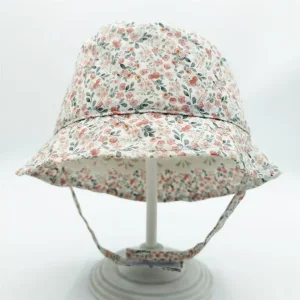
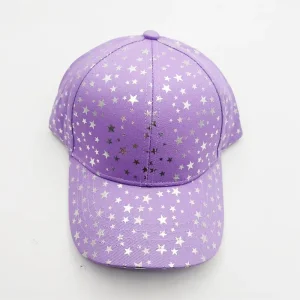
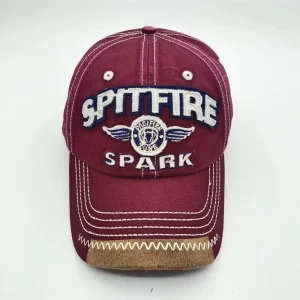
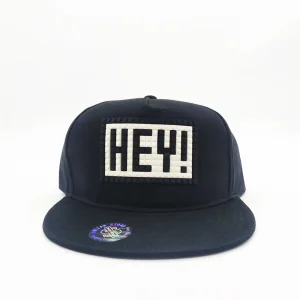
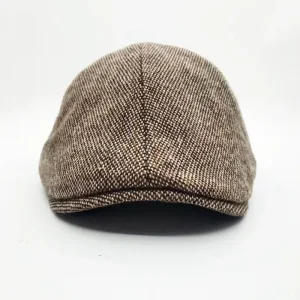
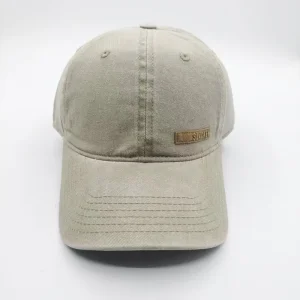
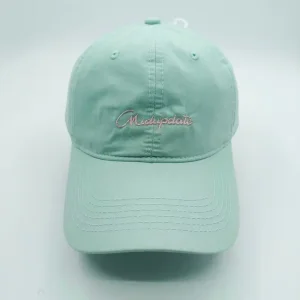
The global market for children’s headwear has transitioned from seasonal accessory retail into a highly specialized sector driven by strict safety compliance, dermatological health awareness, and functional material science. As global brands, retail chains, and e-commerce enterprises scale their sourcing strategies, partnering with tier-one Children Hats Manufacturers & Factories has become a critical operational imperative. Unlike adult apparel, juvenile headwear demands rigorous physical and chemical safety protocols, precise ergonomic scaling across pediatric age brackets (0–24 months infants, 2–5 years toddlers, and 6–12 years kids), and high-durability production workflows capable of withstanding industrial washing and wear cycles.
Modern manufacturing facilities must balance multi-variant customized designs—ranging from high-UPF rating sun fisherman hats to structured cotton baseball caps and specialized knit beanies—with flexible Order Quantity (MOQ) architectures. Suppliers must navigate complex global trade frameworks including the United States Consumer Product Safety Improvement Act (CPSIA), European REACH chemical restrictions, and OEKO-TEX Standard 100 Class I certifications for infant textiles.
Engineering hats for infants, toddlers, and young children involves addressing key anatomical vulnerabilities. Children possess thinner skin barriers, higher body surface area to mass ratios, and rapidly developing cranial structures. Consequently, direct-to-factory manufacturing must integrate material science directly into pattern engineering.
Tight-weave combed cotton, microfiber polyester, and specialized nylon blends treated with non-leaching titanium dioxide (TiO2) UV blockers. Achieves >98% ultraviolet light reflection without causing dermal sensitizations.
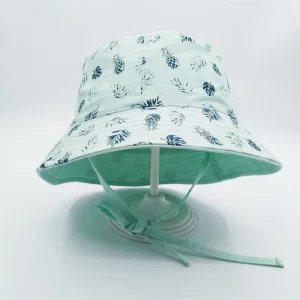
Integration of breakaway safety clips on adjustable chin straps for infant bucket hats. Designed to release at tensile loads exceeding 5 kg (49 N) to eliminate strangulation hazards during outdoor activity.
All plastic snaps, metal eyelets, hardware, and decorative TPU/leather patches undergo strict X-ray fluorescence (XRF) testing to verify zero heavy metals (Lead < 90 ppm, Cadmium < 75 ppm).
Inner sweatbands constructed with quick-drying micro-porous polyester knits. Rapidly wicks moisture away from head skin to avoid heat rashes and keep children comfortable during play.
| Age Group | Head Circumference (cm) | Recommended Fabric | Closure Mechanism | Primary Safety Benchmark |
|---|---|---|---|---|
| Infant (0–12 M) | 40 – 46 cm | 100% Organic Combed Cotton / Interlock | Ultra-soft Velcro / Elasticated Back | OEKO-TEX 100 Class I (Zero Formaldehyde) |
| Toddler (1–3 Y) | 46 – 50 cm | Washed Cotton Twill / Soft Microfiber | Breakaway Strap / Soft Toggle | CPSIA Sec. 101 Lead & Phthalates Free |
| Kids (4–8 Y) | 50 – 54 cm | Heavy Twill / Quick-Dry Nylon Mesh | Plastic Snapback / Metal Buckle (Tested) | ASTM F963-17 Mechanical Integrity |
| Youth (9–14 Y) | 54 – 58 cm | Structured Denim / Wool Blend Tweed | Adjustable Strapback / Fitted Elastic | REACH Annex XVII Heavy Metal Limits |
The hub of global headwear production resides within China's specialized industrial clusters, such as the Qingdao headwear manufacturing zone (Ligezhuang Town). Possessing over two decades of supply chain integration, Qingdao Chenyou Hat Industry Co., Ltd. demonstrates how centralized manufacturing ecosystems generate competitive moats across raw material sourcing, rapid prototyping, and cost optimization for brand buyers.
By leveraging localized dye houses, embroidery specialist workshops, visor molding suppliers, and hardware casting facilities, Chinese manufacturers drastically compress the product lifecycle. What traditionally required 8 weeks in fragmented supply chains is achieved within 7 to 10 days for physical sampling and 20 to 25 days for mass production runs.
Computer-controlled Gerber laser cutters ensure crown panel dimensional tolerances within ±0.5mm, eliminating structural asymmetry across large production lots.
Tajima multi-head computerized embroidery machines executing intricate 3D puff embroidery, flat stitching, and metallic thread appliques with zero thread fraying.
4-tier inspection protocols: Raw Fabric Testing (colorfastness, weight, tensile strength) → In-Line Stitching Check → Metal Detection (broken needle scan) → Final Packing Inspection.
The future of children's headwear manufacturing lies at the intersection of digital customization, circular materials, and functional smart textiles. Frontrunner factories are re-engineering their equipment pathways to meet global sustainability targets and changing retail expectations.
Transitioning standard polyester mesh and twill to 100% Post-Consumer Recycled Polyester (rPET) sourced from ocean plastics, verified via Global Recycled Standard (GRS) supply chain tracking.
Deployment of WholeGarment® computerized knitting machinery. Eliminates cut-and-sew fabric waste by 30% while creating zero-pressure-point thermal beanies for infants.
Integrating non-toxic photochromic and thermochromic yarn indicators into sun brim caps, providing parents visual warnings when ambient UV indices or child head temperatures exceed safe limits.
Tailoring children's headwear manufacturing requires intimate knowledge of regional geographic climates, cultural dress standards, and end-use channels. B2B buyers must select product specifications based on target market geography:
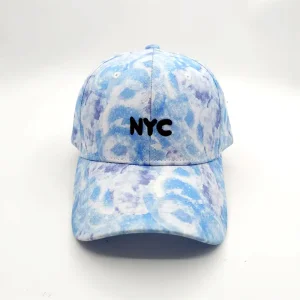
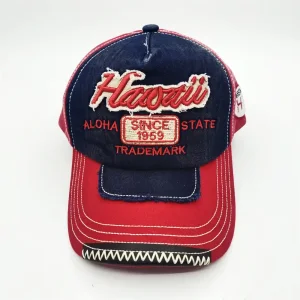
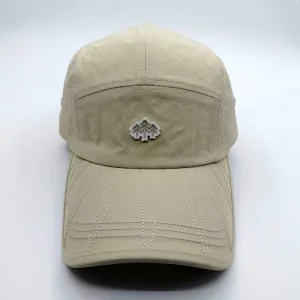
Demand centers around classic structured 6-panel baseball caps and trucker caps with breathable mesh backings. Features heavy washed vintage aesthetics, leather logo patches, and adjustable snap closures suitable for baseball leagues, summer camps, and lifestyle streetwear.
Focuses on extreme thermal retention. Specifications demand double-layered wool blend tweed, fleece-lined knit beanies, and windproof ear-flap trapper hats certified to maintain thermal insulation down to -15°C without trapping skin moisture.
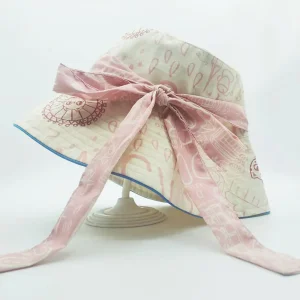
High demand for ultra-wide brim bucket hats, legionnaire caps with extended neck flaps, and UPF 50+ rated quick-dry nylon sun hats. Critical for school uniform mandates and coastal vacation resorts where intense UV exposure occurs.
To ensure seamless customs clearance and prevent costly product recalls, professional manufacturers operate comprehensive in-laboratory testing schedules. Below is the standardized Quality Assurance Matrix applied to all production batches leaving our factories:
| Test Parameters | Test Method Standard | Acceptance Threshold | Operational Objective |
|---|---|---|---|
| Colorfastness to Rubbing | ISO 105-X12 / AATCC 8 | Grade 4.0 (Dry) / Grade 3.5 (Wet) | Prevents dye migration onto children's skin during perspiration. |
| Sharp Edges & Points | 16 CFR 1500.48 / EN 71-1 | 100% Pass (Zero sharp points) | Verifies metal eyelets, snaps, and internal stiffeners do not cause scratches. |
| Small Parts Choking Test | 16 CFR 1501 / ISO 8124-1 | No detachment under 70 N pull force | Ensures buttons, bows, and patches cannot be swallowed by infants. |
| Dimensional Stability | ISO 6330 (3 Wash Cycles @ 40°C) | Dimensional change < 3.0% | Guarantees hat retains shape and size after repeated domestic washing. |
Our standard factory MOQ starts at 300 to 500 pieces per style/colorway for standard cotton twill or polyester fabrics. For highly customized yarn-dyed fabrics or custom-knit winter beanies, MOQ typically ranges from 500 to 1,000 pieces per batch. We also accommodate low-volume initial trial orders for established brands expanding their product lines.
Every fabric batch used in our children's hat lines is pre-screened and eco-dyed. We maintain continuous third-party testing (SGS, Intertek, TÜV) certifying compliance with CPSIA (lead & phthalates), REACH Annex XVII, and OEKO-TEX Standard 100 Class I. Official test reports are provided prior to mass production approval.
Custom physical samples take between 7 to 10 business days once tech packs or artwork files (AI, PDF, DST format) are confirmed. Following sample sign-off, full-scale mass production is completed in 20 to 28 calendar days depending on order complexity and seasonal factory loading.
Yes, we offer complete sustainable material options including GOTS-certified Organic Cotton, 100% Recycled Polyester (rPET), Bamboo Fiber, and Recycled Acrylic knits, accompanied by full chain-of-custody transaction certificates.
We recommend a 3-tier or 4-tier sizing system: Infant (44–46 cm with elastic back), Toddler (48–50 cm with soft closure), Kids (52–54 cm with adjustable snap/strap), and Youth (56 cm). Adjustable closures effectively allow each hat to cover a wider age dynamic, reducing SKU proliferation for retail inventories.