Choosing the best China-based Flatbill Snapback Hat supplier takes more than comparing prices. Buyers need to inspect crown shape, brim stiffness, stitching, fabric consistency, and adjustment hardware. A cap may look sharp in a product photo yet feel uneven in hand. Small flaws matter.
Grand View Research valued the global headwear market at approximately US$26.5 billion in 2023 and projected a 6.6% compound annual growth rate from 2024 to 2030. This figure covers headwear broadly, not flatbill snapbacks alone, so it should not be treated as proof of demand for one cap style. Still, it signals a sizable, competitive category. For a practical supplier review, request a physical sample, confirm material and customization options, and ask how the factory handles inspection and production consistency. Compare written specifications with the cap you receive. Details matter.
A trustworthy comparison also needs clear sourcing. I could not verify a published quotation from a named Flatbill Snapback Hat industry specialist in the materials provided, so I will not invent one. That gap is worth noting. This guide instead focuses on checkable evidence: product quality, communication, sampling, stated capabilities, and documented quality-control procedures. The best supplier is not automatically the cheapest or the one with the boldest catalog. It is the one that can consistently deliver the agreed design—and explain its limits before an order is placed.
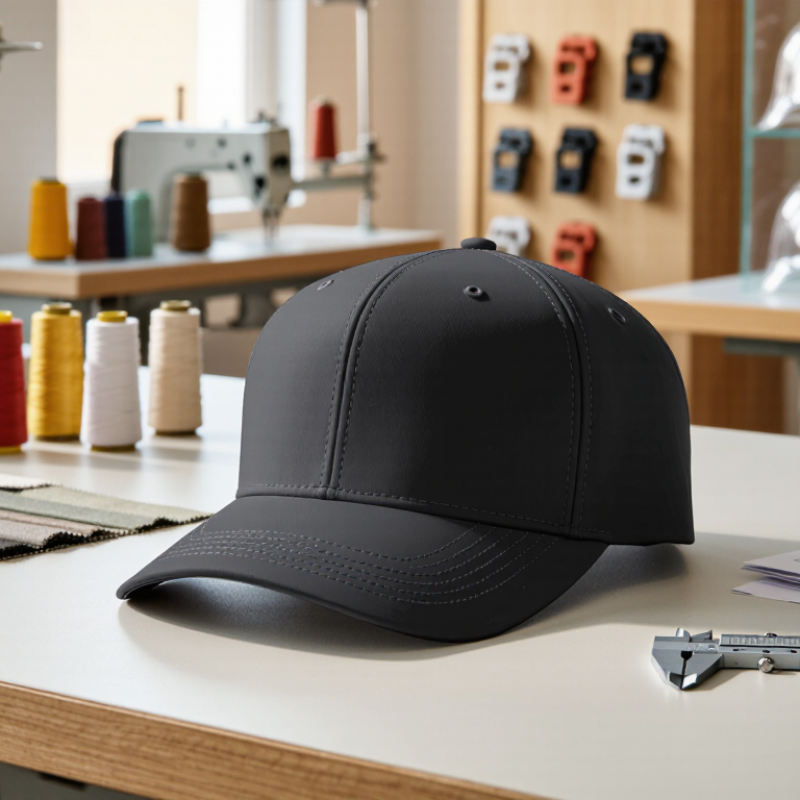
A flatbill snapback is defined by three visible features: a structured six-panel crown, a flat visor, and an adjustable rear closure. The six panels meet at a top button, while reinforced stitching helps the crown keep its shape. Check the seam alignment and feel the fabric around the eyelets. Small details show whether the cap is carefully made.
The visor should sit flat without twisting, and its underside should be smooth against the forehead. At the back, a snap closure allows quick size changes, but it should fasten securely without sharp edges. Fit a sample on different head sizes; the fit can change with crown depth and fabric stiffness. Grand View Research estimated the global headwear market at about US$26.5 billion in 2022 and projected 6.3% annual growth from 2023 to 2030. That market estimate gives useful context, not proof that every flatbill design will sell. A supplier should provide measurable samples, material details, and inspection records. I would still test repeated adjustments and visor shape after packing. Small flaws matter.
| Feature | What Defines It | Typical Specification or Check |
|---|---|---|
| Panel construction | A six-panel crown is assembled from six fabric sections, commonly with a center seam at the front. | Check that panel seams are even, securely stitched, and symmetrical. |
| Crown profile | The crown is the cap section that covers the head. Flatbill caps are often made with a structured front for a more defined shape. | Confirm the intended profile and front-panel stiffness with a sample; crown height varies by design. |
| Visor shape | A flat visor has a relatively level profile rather than a pronounced curve. | Ask whether the visor should remain flat or be shaped by the wearer. Visor length and width are design-specific. |
| Adjustable closure | A snapback closure uses a strap with a row of holes and a studded snap to adjust the fit. | Check that the snaps engage securely and that the strap allows the intended adjustment range. |
| Common shell fabrics | Caps may use cotton, polyester, wool-blend, or mixed fabrics, depending on the desired appearance and performance. | Specify fiber content, fabric weight, color, and any required test or labeling documentation. |
| Eyelets and ventilation | Eyelets may be embroidered or fitted with metal hardware to provide ventilation near the crown. | Confirm the number, placement, finish, and stitching or reinforcement around each eyelet. |
| Interior finishing | A sweatband sits inside the lower crown, while seam tape can cover interior panel seams. | Check comfort, seam coverage, attachment quality, and whether the chosen materials suit the intended use. |
| Fit and sizing | The adjustable closure accommodates a range of head sizes, but fit depends on crown dimensions and closure design. | Request a measurement sheet and evaluate a physical sample; do not assume one size fits every wearer. |
| Supplier evaluation | A supplier should be able to clarify construction details and confirm the requested specifications before production. | Compare samples, written specifications, production lead times, quality-control procedures, and applicable compliance documents. |
Specification note: These are common design characteristics, not universal industry standards. Exact materials, measurements, fit, and construction should be confirmed in the product specification and approved sample.
Ask for a current quality certificate and confirm which factory and activities it covers. Request specific inspection steps for crown shape, brim stiffness, stitching, and snap fit. Small details matter.
Ask for written minimums by fabric, color, and embroidery design. A smaller first order can help you assess fit and finish before scaling up. It may cost more per hat.
Ask how many orders are already scheduled and what lead time applies to your materials. Get dates in writing and allow room for changes. A large capacity figure alone tells little.
It is a sampling plan, not a guarantee that every hat is flawless. For a lot of 3,201–10,000 pieces, General Level II uses a 200-piece sample. Confirm defect categories and the applicable acceptance table.
Check crown symmetry, brim shape, stitching, sweatband attachment, snap alignment, and loose threads. Sample different cartons, colors, and production sections. One count can miss a visible problem.
It should identify the samples, testing conditions, results, and clear defect photos. Agree on corrective steps if the lot fails. Photos help, but they do not show everything.
Request a physical sample made with your actual artwork. Review stitch density, thread thickness, backing, and edge definition. Small text may blur. A digital image cannot show how raised stitching feels.
Request test results for the fabrics and threads in your order, and compare matching test conditions. Measure logo placement from the center seam and brim edge. Check the cap from front and side, then approve a signed sample. Colors can still look different in daylight.
Choosing a reliable Flatbill Snapback Hat supplier starts with understanding the hat’s essential features: a structured six-panel crown, a flat visor, and an adjustable closure. Material comparisons can be more consistent when fabric mass is assessed using ASTM D3776, helping buyers evaluate weight and suitability for different designs. Supplier selection also involves reviewing quality management practices, minimum order quantities, and production capacity to ensure the factory can meet the project’s requirements and schedule.
Before shipment, AQL 2.5 sampling and practical pre-shipment checks can help identify defects and confirm consistent workmanship. Buyers should also define custom specifications clearly, including 3D embroidery details, colorfastness expectations, and precise logo placement. Clear standards, documented sampling, and effective communication help ensure the finished hats match the intended design and quality requirements.