For global buyers, choosing a reliable Cowboy Hat manufacturer in China requires more than comparing catalog prices. A polished product photo cannot reveal stitching strength, sweatband comfort, or carton protection. This guide introduces ten manufacturers selected for production capability, material transparency, customization support, and export communication. We focus on practical buying evidence, not promotional claims.
Each supplier should be assessed through samples, factory documentation, and clear pre-production approvals. Details matter: a shaped brim must return to form after packing, while a leather sweatband should remain comfortable during long wear. We also consider felt, straw, wool, synthetic blends, logo methods, sizing, color consistency, and minimum order quantities. Experienced buyers know that a low quote may exclude mold fees, labeling, inspection, or replacement handling. Ask directly.
The ranking is a starting point, not a permanent verdict. Manufacturing quality can change with materials, staff, seasonal capacity, and order size. Some companies may communicate well yet need stronger quality controls. That weakness deserves attention. Readers should verify current certificates, inspect samples, confirm lead times, and record agreed tolerances before payment. With careful comparison, buyers can find a partner balancing appearance, durability, compliance, and dependable delivery. Small details often decide success.
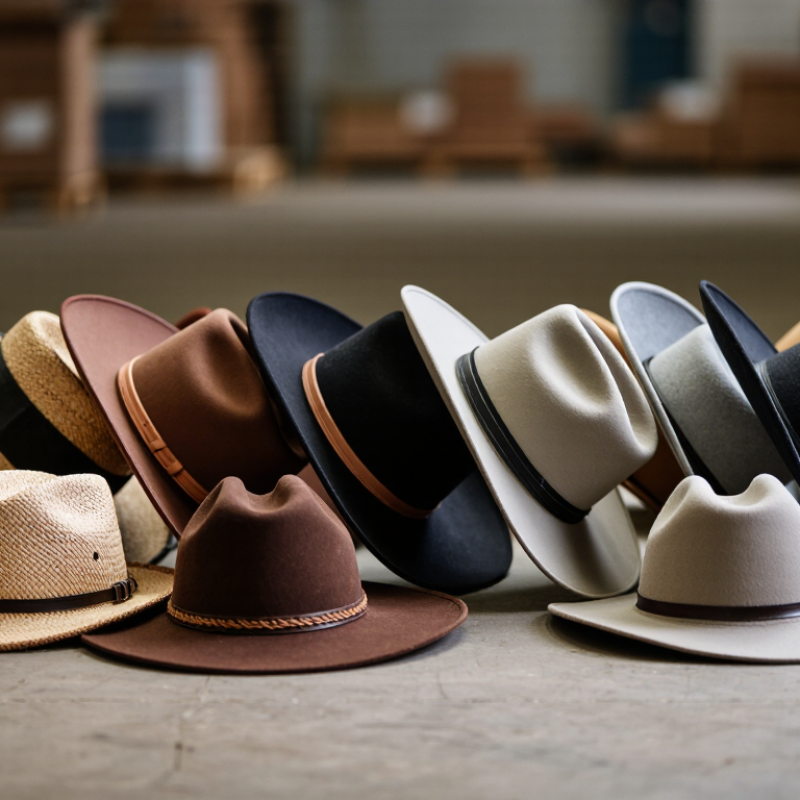
China’s leading cowboy hat manufacturers are often judged by style and price. Reliable global buyers should look deeper into manufacturing standards. A qualified factory documents fiber content, crown dimensions, brim width, sweatband materials, and color consistency. Production samples should match approved specifications. They should. On-site experience shows small differences can affect comfort, shape retention, and packing efficiency. Factories using incoming-material inspections, calibrated tools, and batch records offer stronger traceability. Yet paperwork alone proves little; real production evidence matters.
For felt, straw, leather, or blended hats, testing should reflect intended use. Inspectors can check seam strength, edge finishing, moisture response, odor, loose fibers, and hardware attachment. Random sampling during production is more useful than checking only finished cartons. Worker training also matters, especially when steaming crowns or shaping brims by hand. A dependable supplier explains defects openly and proposes corrective action. No factory is perfect. Buyers should question repeated “minor” deviations before they become returns.
Tips:
Request a pre-production sample, measurement chart, and written tolerance range. Ask for dated photos of material inspection and packing checks. Use independent inspection when order volume is significant. Confirm labeling and packaging requirements for the destination market. Keep a retained sample for comparison. This simple step is often missed.
Choosing among China’s top cowboy hat manufacturers requires more than comparing factory prices. A reliable supplier should show clear experience with straw, felt, leather, or blended materials. Request recent product samples, not only polished catalog images. Check brim symmetry, crown recovery, stitching density, sweatband comfort, and color consistency under natural light. These details reveal production discipline.
Tips: Ask for material specifications, shrinkage data, size charts, and packaging photos. Confirm whether the factory manages production directly or outsources key steps. A short video call can help verify equipment, workspace, and quality-control procedures. Also request a sample before placing a large order. Samples can disappoint, but that is useful information.
Professional communication matters. The manufacturer should explain lead times, minimum order quantities, inspection methods, and correction procedures in writing. Look for documented quality checks at cutting, shaping, finishing, and packing stages. Export experience is helpful, but do not treat it as proof of reliability. Contact references when possible, and compare their feedback with your own sample results. One weakness should not be ignored. A supplier may offer excellent shaping but weak packaging, or attractive prices with inconsistent sizing. Record these risks before making a decision.
| Rank | Anonymous Manufacturer Profile | Primary Manufacturing Cluster | Core Product Capability | Typical MOQ Range | Indicative Production Lead Time | Customization Options | Material & Quality Documentation to Request | Export Readiness Indicators | Best Fit for Buyers | Evaluation Score |
|---|---|---|---|---|---|---|---|---|---|---|
| 1 | Profile A | Hebei and North China hat-making cluster | Wool-felt, polyester-felt, straw, and synthetic-fiber cowboy hats | 300–1,000 pieces per style | 25–40 days after sample approval | Crown shape Brim width Hatband Private label | Fiber composition, colorfastness, dimensional stability, carton and packing specifications | Standard export cartons, commercial invoices, packing lists, and third-party inspection support | Importers seeking broad seasonal collections | 9.2/10 |
| 2 | Profile B | Zhejiang accessories and headwear cluster | Fashion-oriented felt and straw cowboy hats with decorative accessories | 200–800 pieces per color | 20–35 days for repeat styles | Color matching Embroidery Braided bands Hangtags | Material test reports, needle and trim control, color approval records, pre-shipment inspection report | Experience with mixed-SKU orders and retail-ready packaging | Fashion retailers and online sellers | 9.0/10 |
| 3 | Profile C | Guangdong export manufacturing cluster | Straw, paper-braid, raffia-look, and lightweight summer cowboy hats | 500–1,500 pieces per design | 30–45 days including material preparation | Ventilation Moisture-resistant finish Adjustable sweatband Packaging | Material origin, odor testing, moisture resistance, compression testing, and packaging specifications | Container loading plans, export documentation, and consolidated shipment capability | Beachwear, festival, and summer collections | 8.8/10 |
| 4 | Profile D | Shandong textile and felt-processing region | Structured wool-blend and synthetic-felt hats for cooler climates | 300–1,000 pieces per model | 30–50 days depending on felt availability | Stiffness levels Water-repellent treatment Lining Size grading | Fiber content, shrinkage, pilling, colorfastness, water-repellency test, and size measurement chart | Formal sampling process, production approval documents, and inspection checkpoints | Workwear, outdoor, and autumn/winter distributors | 8.7/10 |
| 5 | Profile E | Jiangsu textile and garment manufacturing region | Private-label cowboy hats integrated with apparel and accessory programs | 500–2,000 pieces per order | 35–55 days for coordinated programs | Custom labels Retail packaging Color cards Bundling | Approved sample, bill of materials, packing standard, labeling compliance, and final inspection record | Capability to coordinate multiple accessory SKUs and shipment schedules | Department stores and established private-label programs | 8.5/10 |
| 6 | Profile F | Fujian light-industry and accessories cluster | Affordable synthetic-fiber and paper-braid cowboy hats for promotional use | 1,000–5,000 pieces per design | 25–45 days after artwork confirmation | Logo printing Simple embroidery Bulk packing Color assortment | Material composition, print durability, carton drop testing, and random sampling inspection | High-volume packing lines and experience with promotional shipment deadlines | Events, campaigns, hospitality, and mass-market distribution | 8.3/10 |
| 7 | Profile G | Guangxi and Southwest natural-fiber supply region | Natural-fiber and hand-finished straw hats with rustic styling | 300–1,200 pieces per style | 35–60 days due to hand-finishing steps | Hand shaping Natural trim Custom distressing Small-batch colors | Fiber origin, moisture control, mold prevention, color variation tolerance, and workmanship standard | Batch traceability and pre-shipment photo approval are available when agreed in advance | Boutique brands and heritage-style collections | 8.1/10 |
| 8 | Profile H | Central China general manufacturing region | Basic felt and synthetic cowboy hats with standardized designs | 800–3,000 pieces per style | 30–45 days for standard constructions | Standard colors Basic hatbands Size adjustment Carton marking | Material declaration, measurement tolerance, color approval, and final random inspection | Suitable for routine export orders with clear specifications and fixed packaging | Value-focused wholesalers | 7.9/10 |
| 9 | Profile I | Guangdong and Pearl River Delta accessory cluster | Trend-driven hats combining synthetic materials, metal details, and fashion trims | 300–1,000 pieces per variation | 25–45 days depending on trim sourcing | Metal ornaments Patches Studs Custom artwork | Trim safety, corrosion resistance, colorfastness, sharp-edge inspection, and packaging test | Flexible sourcing for small fashion collections and multiple decorative components | Fashion wholesalers and social-commerce sellers | 7.8/10 |
| 10 | Profile J | North China regional hat-production cluster | Entry-level felt, straw, and novelty cowboy hats for seasonal demand | 500–2,000 pieces per style | 25–40 days for catalog designs | Color changes Basic logo labels Hatband replacement Bulk packaging | Material composition, visual workmanship standard, size tolerance, odor control, and carton inspection | Best suited to straightforward orders with limited engineering or design changes | Seasonal wholesalers and promotional distributors | 7.6/10 |
China’s Top 10 Cowboy Hat Manufacturers for Global Buyers is a practical starting point for sourcing. The list should not be treated as an official ranking. Factories differ in materials, machinery, export experience, and communication. A reliable buyer examines more than catalog photographs. Ask for registration details, production capacity, sample policies, and recent quality records. This creates a clearer view of each supplier’s actual performance.
Experienced manufacturers usually offer straw, felt, wool-blend, or synthetic options for different climates. They can adjust crown height, brim width, hatband design, lining, and packaging. Request a physical sample before approving bulk production. Feel the hat. Check the stitching, sweatband, edge binding, color consistency, and shaping. For large orders, buyers should confirm tolerances in writing. Independent inspections can reduce surprises, although they cannot replace careful communication.
The strongest candidates explain lead times, minimum order quantities, payment stages, and corrective procedures clearly. They also provide traceable material information and stable carton packing for international transport. However, “top ten” claims can age quickly when factories change equipment or staff. I would compare at least three samples and test them in realistic wear conditions. A hat may look excellent online yet lose shape after humidity exposure. That weakness matters. Buyers should record measurements, color references, inspection photos, and approved revisions. Small omissions often become expensive disagreements.
China’s top cowboy hat manufacturers serve global buyers through custom design, material selection, and private label production. Buyers can request specific crown heights, brim shapes, stitching patterns, sweatbands, and color combinations. A clear tech pack reduces design misunderstandings. It should include measurements, artwork, fabric references, and logo placement. Experienced factories usually provide prototypes before bulk production. Small details matter.
Material choice affects comfort, durability, price, and market positioning. Wool felt offers warmth and shape retention, while straw supports lightweight summer collections. Leather trims can create a premium appearance, but buyers should check surface consistency and odor. Ask for fiber details, colorfastness results, size tolerances, and pre-shipment inspection records. One common mistake is approving a beautiful sample without testing long-term wear. That decision can become expensive.
Tips: Request at least two samples. Compare brim balance, stitching, sweatband comfort, and packaging quality. Confirm minimum order quantities, production timelines, payment stages, and private label requirements in writing. Labels, care instructions, barcode placement, and carton markings should be reviewed before production. Leave room for revisions. A sample may look correct but still feel uncomfortable after several hours. Reliable communication is useful, though it is not always perfect. Record every change and obtain written approval before manufacturing.
This chart presents nominal head-circumference measurements commonly associated with US hat sizes. Buyers can use these standardized measurements when discussing custom sizing, fit requirements, private-label specifications, and production samples with cowboy hat manufacturers.
For global buyers, selecting among China’s top cowboy hat manufacturers requires more than comparing catalog prices. Grand View Research estimates the global hats market at about USD 20 billion in 2023, with continued growth through 2030. That demand attracts capable factories, but quality can vary sharply. Request pre-production samples, material specifications, brim measurements, colorfastness results, and carton photos. A practical inspection should check crown shape, stitching density, sweatband attachment, odor, and moisture protection. Small defects become expensive at scale.
Pricing should be assessed through landed cost, not factory quotation alone. Compare fabric or felt weight, trimming, packaging, tooling, inspection, insurance, duties, and inland delivery. Ask for an AQL-based inspection plan, such as critical, major, and minor defect limits. ISO 9001 certification can indicate documented processes, but it does not guarantee every shipment. An honest weakness remains: remote samples may not represent peak-season production. Buyers should approve a sealed reference sample and retain production records.
Shipping deserves equal attention. UNCTAD reports that maritime transport carries over 80% of world merchandise trade by volume. Confirm Incoterms, port schedules, container loading, carton compression strength, and humidity controls before payment. The World Bank’s 2023 Logistics Performance Index shows that customs efficiency and shipment reliability strongly affect delivery performance. Build buffer time. Weather, inspections, and port congestion can still disrupt plans. For smaller orders, consolidated freight may reduce cost, but it increases handling points and potential damage. Supplier communication should be tested before production, not during a delay.
It should document fiber content, crown dimensions, brim width, sweatband materials, and color consistency. Keep the details written.
It shows whether the final hat matches approved measurements and materials. A sample may disappoint, but that can prevent larger problems.
Felt, straw, leather, and blended materials need suitable testing. Inspect moisture response, odor, loose fibers, seam strength, and edge finishing.
Check brim symmetry, crown recovery, stitching density, sweatband comfort, and color under natural light. Small differences can affect comfort.
Request dated photos of material inspections and packing checks. A short video call can reveal equipment and workspace conditions.
No. Random checks during production can reveal problems earlier. Checking only packed cartons is risky.
Ask about direct production, outsourcing, lead times, minimum order quantities, and correction procedures. Written answers matter.
Workers shape crowns and brims by hand, often using steam. Uneven training can cause poor shape retention.
Confirm destination-market labeling, packaging requirements, and packing efficiency. A well-shaped hat can still arrive damaged.
Compare sample results, measurement charts, tolerance ranges, references, and quality records. Price alone is not enough.
China has become a major sourcing destination for global buyers seeking reliable Cowboy Hat manufacturing, offering a broad range of materials, styles, and production capabilities. This article explains key manufacturing standards, including material consistency, stitching quality, shaping accuracy, durability testing, and responsible factory practices. It also outlines the main criteria buyers should consider when evaluating Chinese manufacturers, such as production experience, communication, sample development, minimum order quantities, certifications, and delivery reliability.
The guide introduces ten leading types of Chinese Cowboy Hat manufacturers for international sourcing and compares their strengths in custom design, material selection, private label support, and flexible production. It also discusses how to assess quality control systems, negotiate pricing without sacrificing product standards, and plan international shipping effectively. By reviewing these factors, buyers can build stronger supplier relationships, reduce sourcing risks, and select a manufacturing partner that matches their design, budget, quality, and market requirements.