China Top Snapback Caps Manufacturer Wholesale Guide explains how buyers can source reliable Snapback Caps from China. The market is competitive, but price alone cannot define a strong supplier. Grand View Research identifies continued growth in the global headwear market, driven by sportswear, streetwear, and online retail. This trend creates opportunities for wholesalers, brand owners, and promotional distributors.
China remains an important manufacturing base for textile accessories and apparel components. International Trade Centre data under HS 6505 helps buyers compare global trade flows, supplier countries, and import values. However, customs data does not reveal stitching quality or fabric consistency. That gap matters. A cap may look attractive in a catalog, yet arrive with a weak sweatband, uneven embroidery, or a loose snap closure.
This guide focuses on practical supplier evaluation. It covers factory capability, fabric choices, logo techniques, minimum order quantities, sampling, packaging, and quality control. Buyers should inspect crown structure, brim recovery, panel alignment, and colorfastness under real light. A black cap can hide defects. White embroidery often exposes them quickly. No report replaces a physical sample. That is easy to forget.
Industry research supports demand, but purchasing decisions require direct evidence. Ask for production photos, test records, and clear tolerance standards. Confirm whether the factory produces in-house or outsources key operations. The cheapest quotation may carry higher replacement costs later. Frankly, even experienced buyers sometimes underestimate communication delays and sample revisions. A careful process remains safer than an attractive promise.
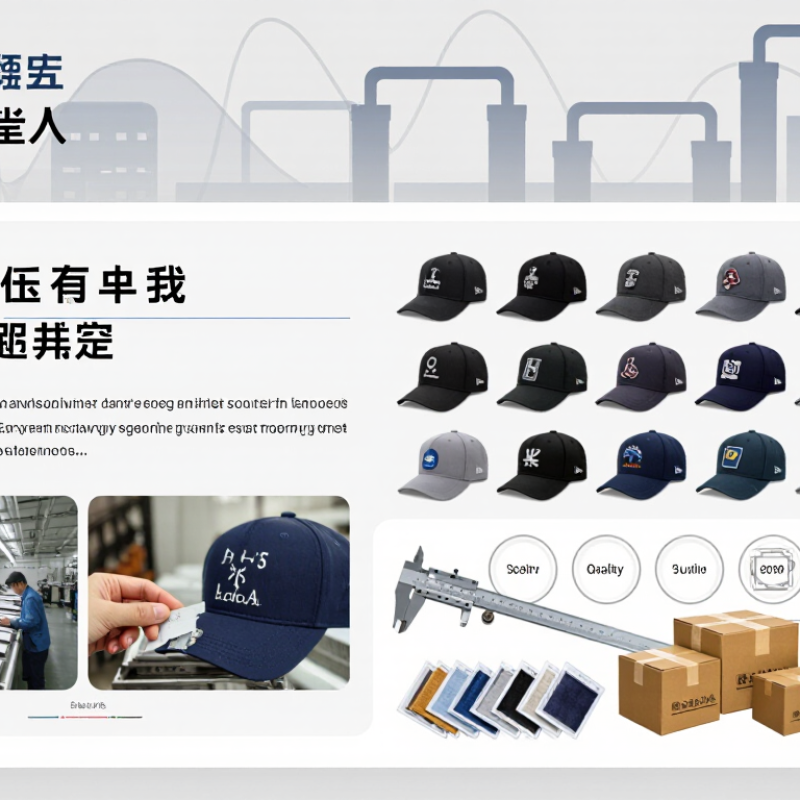
China Top Snapback Caps Manufacturer Wholesale Guide?
What Defines a Top Snapback Cap Manufacturer in China
A top snapback cap manufacturer combines stable production with hands-on product knowledge. Their team should understand crown structure, panel balance, brim shaping, and snap closure strength. Ask for a physical sample, not only digital images. A reliable factory can explain fabric weight, embroidery limits, and expected shrinkage clearly.
Production experience appears in small details. Stitching should remain even around the brim and ventilation holes. The adjustable closure should move smoothly without feeling fragile. During a factory visit, inspect cutting tables, sewing lines, pressing equipment, and packing areas. Quality checks should happen before, during, and after production. Clear inspection records also show professional management.
Communication matters just as much as equipment. A capable manufacturer confirms measurements, artwork files, packaging requirements, and delivery schedules in writing. They should provide realistic sampling times and discuss possible production risks. No factory is perfect. Even experienced teams may miss a color difference or slight shape variation. That is why pre-production approval and random inspections remain valuable. A low price can look attractive, but weak quality control may create higher replacement costs later. A trustworthy partner admits limitations and offers practical corrections instead of making promises without evidence.
A practical wholesale evaluation framework based on the factors buyers typically verify before placing a custom snapback cap order. The 100-point weighting emphasizes consistency, quality control, compliance, materials, delivery, and customization capability.
The scores represent evaluation weight rather than data from any individual company or brand. Buyers can adjust the weighting according to product complexity, order volume, and destination-market requirements.
China Top Snapback Caps Manufacturer Wholesale Guide
China’s snapback cap wholesale process usually begins with a technical brief. Buyers confirm crown shape, panel fabric, visor curve, closure type, colors, and size range. A reliable manufacturer then prepares a sample for review. The sample may reveal uneven stitching or a slightly stiff front panel. That is normal, but it must be corrected before bulk production.
After approval, workers cut fabric panels with controlled measurements. They assemble the crown, attach the visor, and install the adjustable closure. Embroidery or printed artwork follows, with placement checked against the approved sample. During production, quality staff inspect thread tension, seam strength, panel alignment, and loose fibers. Random checks are useful, though they cannot replace a final inspection. Packing usually involves individual polybags, carton counts, and moisture protection for long-distance shipping.
Tips: Request a physical sample before placing a large order. Confirm fabric weight and color under natural light. Ask for a production timeline with inspection points. Keep approved measurements in writing. Small differences can become expensive at scale. I would also allow extra time for corrections; rushing this stage often creates avoidable defects.
Choosing a China snapback cap manufacturer starts with material checks, not catalog photos. Cotton twill feels breathable and soft, while polyester offers shape retention and quick drying. Wool blends create a warmer, structured finish but need careful color matching. Recycled fabrics can support sustainability goals, yet suppliers should provide composition records and test reports. I recommend requesting physical samples before approving bulk production. Small texture differences become obvious across hundreds of caps. Not always easy.
Style decisions affect fit, cost, and shelf appeal. A flat brim looks youthful and graphic, while a curved brim feels more casual. Five-panel caps suit clean artwork; six-panel designs provide familiar structure. Ask about adjustable closures, including snap systems, metal buckles, and woven straps. Custom options may include embroidery, woven patches, printed labels, contrast underbrims, and custom colors. Artwork should be checked at actual size. Tiny lettering often loses clarity.
Tips: Specify fabric weight, crown height, brim curve, closure color, and measurement tolerances in writing. Request a pre-production sample and inspect stitching, sweatband comfort, panel alignment, and snap strength. Confirm carton packing and inspection procedures before payment. A reliable manufacturer should explain limitations instead of promising everything. I once overlooked brim consistency; the finished batch looked acceptable, but not uniform. That mistake taught me to approve measurable standards, not attractive promises.
| Category | Common Option | Typical Specifications | Key Benefits | Best Use | Customization Notes |
|---|---|---|---|---|---|
| Crown Material | Cotton Twill | Usually 100% cotton or a cotton-rich blend; medium-weight woven fabric | Soft hand feel, breathable, easy to print or embroider | Lifestyle, retail, promotional, and casual streetwear caps | Color, fabric weight, garment washing, and panel construction can be adjusted |
| Crown Material | Polyester | Woven or performance polyester; available in smooth, textured, or mesh forms | Lightweight, durable, quick-drying, and colorfast | Sportswear, outdoor events, uniforms, and performance promotions | Moisture-management finishes, sublimation printing, and reflective details may be available |
| Crown Material | Cotton-Polyester Blend | Common blends balance natural fibers with synthetic fibers | Improved shape retention, comfort, and resistance to shrinkage | Large-volume wholesale programs and everyday headwear | The fiber ratio, surface finish, and color range should be confirmed before sampling |
| Back Panel | Polyester Mesh | Breathable mesh paired with solid front panels; commonly used in trucker designs | High airflow and a lightweight structure | Outdoor promotions, summer collections, and casual workwear | Mesh color, mesh density, contrast panels, and closure color can be coordinated |
| Visor | Pre-Curved Visor | Curved bill with a reinforced core and stitched edge | Ready-to-wear appearance and comfortable sun coverage | Outdoor, casual, sports, and promotional caps | Curve depth, stitching color, underside fabric, and edge binding can be specified |
| Visor | Flat Visor | Flat or lightly adjustable bill with a structured front crown | Modern streetwear appearance and a larger decoration area | Streetwear, fashion collections, music events, and youth markets | The visor may include contrast fabric, printed underside artwork, or decorative taping |
| Crown Structure | Structured Six-Panel | Six sewn panels with front reinforcement, often using buckram or comparable interfacing | Stable profile and clear presentation for front logos | Uniforms, corporate merchandise, sports teams, and retail collections | Crown height, seam placement, eyelets, piping, and internal taping can be customized |
| Crown Structure | Unstructured Five- or Six-Panel | Softer front panels with less internal reinforcement | Relaxed fit, packability, and a worn-in appearance | Casual apparel, travel merchandise, and vintage-inspired collections | Garment washing, pigment dyeing, distressing, and low-profile shaping are common options |
| Closure | Plastic Snap Closure | Adjustable multi-position plastic fastener at the back | Cost-effective, easy to adjust, and widely recognized as a snapback closure | Promotional caps, streetwear, sports merchandise, and general wholesale | Closure color, snap count, rear labels, and matching underbill details may be selected |
| Closure | Metal Buckle or Hook-and-Loop | Alternative adjustable back systems used when a different visual or fit is required | Adds design flexibility and can support a more premium appearance | Fashion headwear, outdoor collections, and higher-detail programs | Hardware finish, strap material, buckle size, and closure placement should be approved by sample |
| Decoration | Direct Embroidery | Thread decoration sewn directly onto the crown or visor | Durable, tactile, and suitable for simple to moderately detailed artwork | Logos, lettering, uniforms, and premium promotional caps | Thread colors, stitch density, embroidery size, and 3D effects require artwork review |
| Decoration | Woven or Embroidered Patch | Separate patch attached by stitching, heat application, or another approved method | Good detail definition and a distinct badge-like appearance | Outdoor, heritage, club, event, and fashion headwear | Patch shape, border, backing, attachment method, and artwork scale can be specified |
| Decoration | Screen Print or Heat Transfer | Ink or transfer graphic applied to the front, side, or underbill | Effective for large artwork, gradients, and fine visual details | Graphic collections, event campaigns, and promotional designs | Color count, print location, transfer type, and wash durability should be tested |
| Fit and Sizing | Adjustable One-Size Design | Rear closure allows the head circumference to be adjusted across a broad adult range | Simplifies inventory and suits mixed customer groups | Promotional distribution, retail basics, and event merchandise | Confirm crown height, head opening, closure adjustment range, and measurement tolerances |
| Wholesale Planning | Sample and Production Approval | A pre-production sample is reviewed before bulk manufacturing | Reduces risks involving fit, color, decoration, and construction | All custom wholesale orders | Approve a measurement sheet, artwork proof, color standard, packaging details, and acceptable tolerances |
| Quality Control | Inspection Checklist | Check fabric consistency, stitching, panel symmetry, visor shape, closure function, decoration, and packaging | Creates consistent quality across production lots | Retail, promotional, and private-label wholesale programs | Use approved samples, written specifications, and agreed inspection standards for bulk verification |
Note: Specifications, minimum order quantities, lead times, pricing, and available decoration methods vary by product construction and order requirements. Confirm all technical details with the selected manufacturer before placing a wholesale order.
When evaluating a snapback cap manufacturer, request a physical sample before discussing large quantities. Check the crown’s shape, panel alignment, seam density, and closure strength by hand. A reliable supplier should provide fabric details, production photos, and inspection records. Cotton, polyester, and blended fabrics behave differently after washing. Ask for a colorfastness test. Small details matter.
Pricing should show more than a unit figure. Request a breakdown covering fabric, embroidery, labels, packaging, sampling, and shipping terms. Compare identical specifications, not attractive quotes with missing costs. A lower price may hide thinner material or fewer stitches.
I once accepted a cheaper sample, then noticed uneven embroidery under warehouse lighting. That mistake changed my inspection process.
Minimum order quantities deserve careful negotiation. Ask whether the MOQ applies per design, color, or total order. Some factories accept a smaller trial run, but charge higher sampling or setup fees. Confirm the deposit schedule, production timeline, replacement policy, and final inspection method in writing.
A pre-production sample can prevent expensive corrections. Still, it cannot reveal every production risk. Keep a small contingency budget and allow extra time for rework. That is practical, not pessimistic.
A capable China snapback cap manufacturer should show more than attractive catalog photos. Ask for factory details, production experience, and recent sample work.
A useful sample reveals crown shape, panel alignment, visor firmness, and stitching quality. Check the snap closure carefully. It should adjust smoothly without feeling weak.
Material knowledge matters. Cotton twill feels breathable, while polyester often supports brighter printing and easier cleaning.
Request fabric weight, color references, size measurements, and embroidery specifications in writing.
A professional supplier should explain minimum order quantities, sample fees, production capacity, and realistic lead times.
Vague answers can create expensive delays.
Visit the factory online or in person when possible. Review cutting, sewing, decoration, packing, and inspection areas.
Ask how workers record defects and how finished caps are checked before shipment. Independent quality inspections can add useful control, especially for larger orders.
Confirm payment terms and shipping documents before production begins.
Communication is often the real test.
Can the supplier repeat your requirements accurately? Do they report problems early? No factory is flawless.
I once underestimated how much a small visor curve could change the final appearance. A stronger partner will discuss that risk instead of hiding it.
Keep approved samples, measurement sheets, and correction notes together. Small details protect the order.
The manufacturer should understand crown structure, panel balance, brim shaping, and closure strength. Ask for a physical sample. Digital images can hide weak stitching.
Check the crown shape, panel alignment, seam density, and brim edge by hand. Test the adjustable closure several times. Look for loose threads and uneven ventilation holes.
Ask whether the cap uses cotton, polyester, or a blend. Confirm fabric weight, washing behavior, and expected shrinkage. Request a colorfastness test.
Request a cost breakdown for fabric, embroidery, labels, packaging, sampling, and shipping. Compare identical specifications. A low quote may hide thinner fabric or fewer stitches.
Confirm whether the MOQ applies to each design, color, or total order. Ask about smaller trial runs and setup fees. A trial order can reveal production problems early.
Inspections should occur before, during, and after production. Check cutting tables, sewing lines, pressing equipment, and packing areas. Keep inspection records for later review.
Confirm measurements, artwork files, packaging details, sampling time, delivery dates, and payment schedules. Include the replacement policy and final inspection method. Verbal promises are easy to misunderstand.
Even experienced teams may miss a color difference or slight shape variation. A pre-production sample reduces risk but cannot reveal everything. Keep extra time and budget for rework. I learned this slowly.
China has become a major sourcing destination for Snapback Caps because experienced manufacturers can combine flexible customization, efficient production, and competitive wholesale pricing. A top manufacturer should offer clear communication, professional product development, reliable sampling, consistent quality control, and the ability to manage both small trial orders and larger production runs. Understanding the production process is also essential, from material selection and panel cutting to embroidery, printing, assembly, inspection, and packaging.
Buyers can choose from materials such as cotton, polyester, wool blends, and performance fabrics, while customizing colors, closures, front panels, visors, logos, labels, and decorative details. Before placing an order, it is important to compare fabric quality, stitching, shape retention, color accuracy, lead times, pricing, sample fees, and minimum order quantities. The best China Snapback Cap wholesale partner should provide transparent quotations, dependable quality standards, practical customization support, and stable delivery performance that matches the buyer’s market and business goals.