 Chenyou Hats Chenyou Hats
 Choosing the best Fleece Hat for wholesale requires more than comparing unit prices. Buyers must assess warmth, fabric quality, sizing consistency, decoration options, and delivery reliability. A hat may look soft in photographs yet feel thin, shed fibers, or lose shape after washing. That difference matters when retailers expect dependable products.
Start with the customer and selling environment. A lightweight fleece hat may suit autumn markets, while a thicker, double-layer design can perform better in cold regions. Check the fabric composition, stitching density, seam comfort, and edge recovery. Request samples from potential suppliers. Wear them, wash them, and inspect the seams closely. Small tests reveal problems early.
Supplier experience also deserves careful review. Ask for clear product specifications, production timelines, quality-control procedures, and realistic minimum order quantities. Reliable manufacturers should explain their materials and admit reasonable limitations. Vague answers are warning signs. Certifications can support credibility, but they should be verified rather than accepted blindly.
Wholesale decisions also involve color planning. Black, navy, gray, and neutral tones often provide steady commercial appeal, while seasonal colors can create stronger campaign interest. Consider embroidery space, logo contrast, packaging, and carton protection. A low-cost Fleece Hat is not truly economical if returns, inconsistent sizing, or delayed shipments reduce your margin.
No selection process is perfect. Market forecasts can change. Even trusted suppliers may need closer monitoring during busy seasons. Use written specifications, pre-shipment checks, and measured sample results to reduce uncertainty. The strongest choice balances comfort, appearance, price, and dependable supply—not simply the lowest quotation.
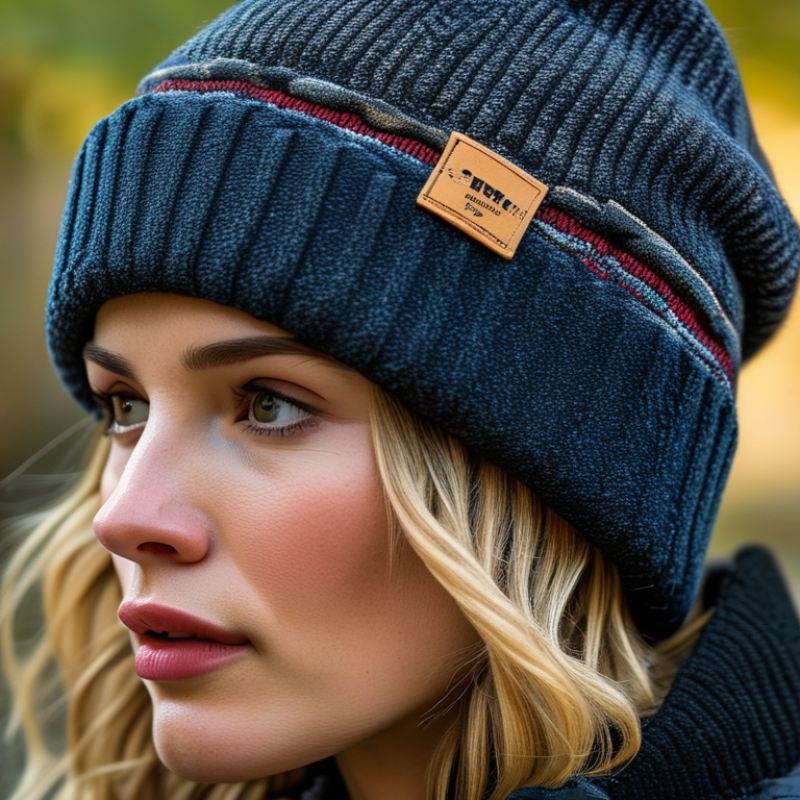
Define Your Wholesale Fleece Hat Requirements
Begin with the customer, not the catalog. Identify who will wear the hats and where they will be used. Outdoor workers may need dense fleece, while casual shoppers may prefer lighter fabric. Record the expected order quantity, target price, preferred colors, and selling season. A simple requirement sheet prevents expensive misunderstandings later.
Measure the details carefully. Specify head circumference, hat depth, cuff width, fabric weight, and fiber content. Decide whether the hat needs embroidery, woven labels, reflective elements, or plain packaging. Ask for color references instead of relying on names such as “dark blue.” They can mean different shades. Request a physical sample and inspect stitching, seam stretch, pilling, odor, and shape recovery. Small flaws become costly across thousands of units.
Set practical delivery requirements before placing an order. Include sample approval dates, production time, shipping windows, carton dimensions, and acceptable defect limits. Ask for material test reports and clear care instructions. These documents support consistent purchasing and customer communication. Do not choose the lowest quotation automatically. A cheaper hat may use thinner fleece or weaker thread. Still, initial estimates can be wrong. Recheck demand before increasing the quantity, especially when the season is uncertain. A short trial order may reveal sizing issues, color problems, or weak sales that a spreadsheet misses.
| Requirement Area | Recommended Wholesale Specification | Practical Benchmark | What Buyers Should Confirm |
|---|---|---|---|
| Fabric Composition | Polyester fleece for lightweight warmth, quick drying, and easy care. |
Common Choice 100% polyester fleece; recycled polyester may be selected when documented recycled content is required. |
Request the fiber-content declaration and verify that the composition matches the approved sample and product labeling. |
| Fabric Weight | Select the fleece weight according to the target season, climate, and retail price. |
Typical Range Approximately 180–300 g/m² for many lightweight to midweight fleece hats. |
Confirm the actual fabric weight from production material records or an independent fabric test rather than relying only on visual thickness. |
| Fit and Sizing | Use a stretchable construction that accommodates a practical adult head-size range. | A common adult target is approximately 56–60 cm head circumference, with the final measurement defined in the tech pack. | Approve a graded size chart, measure the finished circumference, and test fit on representative users before bulk production. |
| Stretch and Recovery | A comfortable stretch fit should return to shape after repeated wear. | Two-way or four-way stretch may be used; the required stretch percentage should be specified by the buyer. | Carry out repeated stretch-and-release checks and inspect for permanent deformation, seam opening, or loss of comfort. |
| Construction | Clean panel seams, secure thread ends, and a stable hem or cuff. | Flatlock seams can reduce bulk and rubbing; a double-layer crown can increase warmth and structure. | Inspect seam alignment, stitch consistency, skipped stitches, loose threads, puckering, and dimensional symmetry. |
| Warmth and Coverage | Match the design to the intended use instead of treating every fleece hat as an extreme-cold product. | Single-layer fleece suits lighter coverage; double-layer fleece or extended ear coverage provides additional insulation and protection. | Define whether the hat is intended for everyday outdoor wear, commuting, workwear, sports, or colder conditions. |
| Moisture Management | Prioritize a quick-drying fabric and comfortable interior for active or outdoor use. | Polyester fleece generally dries faster than many natural fibers, but performance depends on fabric construction and finishing. | Review drying performance, breathability expectations, and any moisture-management claims supported by test results. |
| Pilling Resistance | Choose a surface that maintains an acceptable appearance after friction and laundering. | Set a buyer-defined pilling grade and test method; ISO 12945-2 is one commonly used method for textile pilling evaluation. | Test the approved fabric and finished hat after the required number of rubbing or washing cycles, then record the rating. |
| Color and Shade Control | Use a controlled color standard for every production lot. | Define a physical color standard or digital reference with an agreed tolerance before production begins. | Check bulk fabric against the approved standard under consistent lighting and inspect for panel-to-panel shade variation. |
| Colorfastness | The hat should resist unacceptable color transfer during normal wear and care. | Set minimum requirements for washing, rubbing, perspiration, and light exposure according to the sales market. | Request test reports using recognized textile methods and verify that the care label reflects the tested conditions. |
| Care Requirements | Provide simple, consistent care instructions suitable for the fabric and construction. | Polyester fleece is commonly machine washable, but the exact temperature, drying, and ironing instructions must be validated. | Wash-test the finished hat, check shrinkage and shape retention, and approve the final care label before shipment. |
| Measurements and Tolerance | Define every key measurement in a product specification sheet. | Include finished circumference, height, cuff width, seam allowance, and logo or label position where applicable. | Set measurable tolerances for each point of measurement and use pre-production and final random inspections. |
| Safety and Compliance | Ensure materials, dyes, trims, and packaging meet the destination market's legal requirements. | Requirements vary by country and sales channel; chemical restrictions may apply to textile articles and accessories. | Confirm applicable regulations, request material declarations or laboratory reports, and verify labeling, packaging, and tracking information. |
| Packaging and Shipping | Protect the hats from compression, moisture, dust, and deformation during storage and transport. | Use clean inner packaging, moisture protection where needed, carton quantity limits, and clear carton markings. | Approve folding or packing instructions, carton dimensions, gross weight, packing quantity, and pre-shipment packaging samples. |
| Wholesale Cost Planning | Balance fabric quality, construction, customization, order volume, and delivery requirements. | Request tiered quotations for different quantities and separate one-time development costs from repeat-order pricing. | Compare total landed cost, including sampling, customization, testing, packaging, freight, duties, and payment terms. |
| Quality Acceptance | Agree on measurable quality criteria before placing the bulk order. | Define critical, major, and minor defects, inspection levels, sampling plans, and acceptable quality limits in writing. | Use an approved golden sample, inspection checklist, measurement chart, and defect-photo examples for consistent evaluation. |
Note: Recommended ranges are general wholesale planning benchmarks. Final specifications should be confirmed through approved samples, destination-market requirements, and documented testing.
Choose a close-fitting cuff for outdoor uniforms and winter workwear. A relaxed crown suits casual customers. Inspect seams, edge binding, and stretch recovery. Weak elastic may appear after repeated fitting.
Measure crown height, opening width, and cuff depth in centimeters. Match sizes to the target market, not only the factory chart. Adult, youth, and flexible unisex options may be useful. Too many sizes increase inventory pressure. Keep the first size range practical.
Black, navy, gray, and cream often provide dependable demand. Bright colors can support seasonal campaigns. They may also create slower stock. Request physical swatches. Screens can distort fleece tones.
Compare embroidery, woven labels, and heat-transfer decoration. Embroidery looks durable but dense stitching can reduce stretch. Request a decorated sample before production. Check logo placement and washing guidance. Small differences happen.
Inspect fleece weight, density, stitching, stretch recovery, and edge finishing. Rub the surface repeatedly to check for pilling. Wash the sample and inspect it again. Photos can hide thin fabric. Samples reveal more.
Confirm that documents cover the actual material, dyes, and production site. Check dates, product descriptions, laboratory details, and factory information. A certificate copy alone proves little. I once trusted paperwork without checking its scope. That was expensive. No checklist is perfect.
Include fabric, stitching, labels, packaging, inspection, freight, duties, and payment fees. Request a written quotation with separate charges. Compare delivered cost, not factory price. A low unit price may rise after shipping and handling. Photos cannot confirm fabric thickness.
Review weekly sales, season length, storage capacity, and replenishment time. Add modest safety stock instead of guessing aggressively. Confirm mixed color and size cartons in writing. Track production, inspection, packing, transport, and clearance milestones. Add seven to fourteen days during busy seasons. My forecast was too optimistic.
Choosing the best Fleece Hat for wholesale purchase starts with clearly defining your business requirements, including the target customers, intended season, preferred style, and expected order volume. Compare fleece materials carefully by considering softness, insulation, breathability, weight, and resistance to pilling or stretching. A reliable hat should provide consistent warmth while remaining comfortable and durable during regular use.
Next, evaluate available designs, sizing options, colors, and customization possibilities to ensure the product matches your market and sales channels. Supplier selection is equally important: review product quality, relevant certifications, manufacturing standards, communication, and production capacity. Finally, calculate the complete wholesale cost, including customization, packaging, shipping, and potential minimum order quantities. Confirm production schedules and delivery timelines before placing an order. By balancing performance, appearance, supplier reliability, and total purchasing costs, buyers can choose a Fleece Hat that offers dependable quality and strong value for both their business and customers.
