 Chenyou Hats Chenyou Hats
 Choosing the right Winter Hats for wholesale buyers requires more than following seasonal colors. It demands evidence, product experience, and careful commercial judgment. Grand View Research reported that the global headwear market was valued at approximately USD 20.3 billion in 2022, with continued growth expected through 2030. This broader category includes winter styles, showing strong commercial potential. Yet, headwear data does not automatically predict demand for every beanie, trapper hat, or knitted cap.
That distinction matters. Buyers should examine regional temperatures, customer age, material preferences, and retail price points. A thick wool-blend beanie may perform well in Toronto, but sell slowly in a mild coastal market. The International Trade Centre’s trade data can help buyers compare import trends by product classification and destination. It provides useful direction, not perfect answers. No report can predict every cold snap.
Product testing adds practical confidence. Check stretch recovery, seam strength, lining comfort, pilling resistance, and colorfastness after washing. Small details matter. A scratchy label can create returns. A loose pom-pom can damage customer trust. Industry reports offer scale, while supplier audits and physical samples reveal execution quality. Buyers should also request fiber composition records and responsible sourcing documentation. These steps support reliable purchasing and clearer communication with retailers.
The best selection balances forecasted demand with real-world wearability. That balance is imperfect. Still, reviewing market evidence, testing samples, and comparing landed costs can reduce avoidable mistakes. A strong Winter Hats assortment should feel warm, look relevant, and remain commercially sensible after shipping and seasonal markdowns.
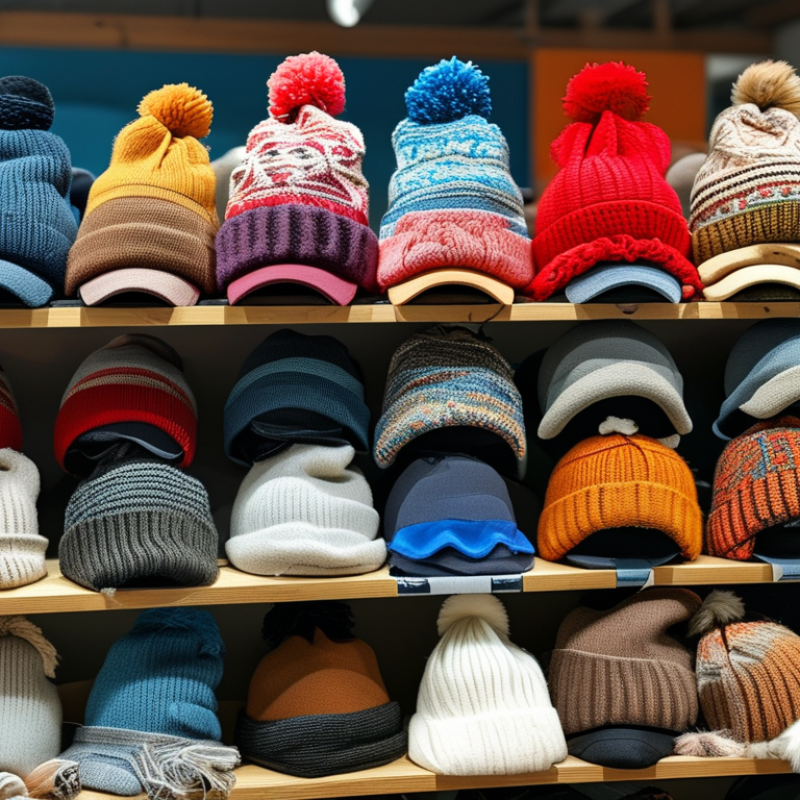
Wholesale winter-hat buying starts with use, not appearance. A rib-knit beanie suits everyday city retail, staff uniforms, and promotional bundles. A fleece-lined earflap hat offers stronger protection for outdoor workwear and winter travel. Trapper hats create visual impact, but their larger volume can increase packaging and freight costs. According to Grand View Research, the global headwear market was estimated at about USD 26.8 billion in 2023, with continued growth forecast through 2030. The figure covers many headwear categories, so it should guide planning rather than dictate orders.
Material selection should match the selling environment. Acrylic knit hats usually provide consistent sizing and lower cost. Wool blends add warmth and a more premium hand feel, but they may require clearer care instructions. Recycled polyester fleece can support performance-focused collections. Textile Exchange reported that polyester represented approximately 59% of global fiber production in 2023, while recycled polyester remained a smaller share. This suggests availability is strong, but sustainability claims still require supplier documentation. Ask for fiber composition, test results, colorfastness records, and wash samples before approving bulk production.
Wholesale applications also affect assortment depth. A department store may need several colors and shallow quantities, while a workwear distributor may prefer fewer colors and deeper replenishment. Measure head circumference carefully. Adult sizing is not always uniform. A hat can look excellent on a product sheet and still feel tight in real use. I have seen buyers overvalue decoration and underestimate fit. That mistake is expensive. Weather, target age, packaging space, reorder speed, and minimum order quantities should shape the final winter-hat mix.
| Winter Hat Type | Typical Construction | Common Materials | Warmth Level | Weather Suitability | Wholesale Applications | Customization Options | Key Buying Considerations |
|---|---|---|---|---|---|---|---|
| Cuffed Beanie | Close-fitting knitted cap with a folded lower edge | Acrylic, wool, recycled polyester, cotton blends | Medium to high, depending on yarn weight and lining | Cold and dry conditions; limited rain protection without treatment | Everyday retail, outdoor stores, promotional campaigns, winter uniforms | Woven labels, embroidery, patches, color blocking, custom knit patterns | Cuff height, stretch recovery, stitch density, color consistency, label placement |
| Slouch Beanie | Longer knitted crown with a relaxed, draped fit | Acrylic, cotton, wool blends, polyester yarns | Medium | Cool to cold urban climates; less secure in strong wind | Fashion retailers, lifestyle collections, youth and casual apparel ranges | Custom colors, logo labels, contrast yarns, jacquard patterns | Crown length, fit balance, drape, yarn softness, size flexibility |
| Fleece-Lined Beanie | Knitted or stretch outer shell with a soft fleece interior | Acrylic or polyester exterior; polyester fleece lining | High | Cold and windy weather; fleece improves insulation but is not waterproof | Workwear, outdoor activities, winter travel, mass-market cold-weather programs | Embroidery, heat-transfer graphics, woven labels, reflective details | Lining coverage, seam comfort, moisture management, stretch, pilling resistance |
| Pom-Pom Beanie | Knitted beanie finished with one or two decorative pom-poms | Acrylic, wool blends, polyester, faux-fur or yarn pom-poms | Medium to high | Cold weather; protection depends mainly on the body knit and lining | Gift shops, winter fashion, holiday assortments, family collections | Pom-pom size, color combinations, knit motifs, labels, embroidery | Attachment security, trim durability, washing instructions, visual consistency |
| Earflap Hat | Hat with extended side flaps covering the ears, often with ties | Wool, acrylic, fleece, cotton canvas, faux fur | High | Cold and windy conditions; outer fabric determines rain resistance | Outdoor retail, winter resorts, children’s collections, cold-region workwear | Ties, chin cords, earflap shapes, lining, patches, embroidery | Ear coverage, secure fit, cord safety, lining warmth, bulk during shipping |
| Trapper Hat | Structured crown with full earflaps and fastening straps | Polyester, cotton, wool, faux fur, sherpa or quilted lining | Very high | Severe cold and wind; water resistance varies by shell fabric and finish | Snow-sport shops, winter travel, workwear, cold-climate specialty retail | Shell fabrics, lining colors, patches, chin straps, reflective trims | Wind protection, buckle quality, lining thickness, size grading, shipping volume |
| Balaclava | Close-fitting head covering that protects the head, neck and part of the face | Merino wool, polyester, fleece, nylon and stretch blends | High to very high | Cold, windy and active conditions; breathability is important during exercise | Ski and cycling equipment, outdoor workwear, winter sports and commuting | Face-opening shape, flat seams, printed graphics, reflective elements | Breathability, moisture wicking, helmet compatibility, seam comfort, stretch recovery |
| Fur-Style Winter Hat | Structured or soft crown with a plush exterior and ear coverage | Faux fur, polyester, cotton, wool and synthetic insulation | High | Cold and dry conditions; plush materials require careful moisture handling | Boutiques, gift retailers, winter fashion capsules, cold-weather accessories | Fur texture, trim color, lining, earflaps, decorative hardware | Pile quality, shedding, lining comfort, storage requirements, packaging protection |
| Thinsulate-Style Insulated Cap | Lightweight outer cap combined with a separate synthetic insulation layer | Polyester, nylon, acrylic, fleece and synthetic insulation | High for its weight | Cold conditions where low bulk and easy layering are priorities | Technical apparel, corporate winter uniforms, commuting and outdoor programs | Reflective trims, embroidered logos, shell colors, lining and fit options | Insulation thickness, breathability, compressibility, seam construction, care labeling |
Wool blends provide natural insulation and a warm hand feel. Acrylic offers consistent sizing and easier washing. Recycled fibers may support sustainability goals, but softness varies between suppliers.
Request fabric samples before placing a large order. Rub each surface gently and inspect for shedding, rough fibers, or uneven knitting. A sample can still hide problems after washing.
Not necessarily. Dense knitting blocks cold air, while fleece lining improves heat retention. Very thick hats may feel tight or cause sweating indoors. Balance warmth with airflow.
Try samples on different head sizes for several hours. Check stretch, recovery, crown seams, and edge binding. Small details matter. A soft sample may become scratchy after washing.
Stretch the cuff repeatedly and inspect the stitching afterward. Compare color and shape after washing. Check pom-pom attachments by hand. Loose threads often appear near the crown first.
Compare landed cost, not just the factory quote. Request separate figures for yarn, packaging, inspection, labeling, and freight. A cheaper hat may cost more after delivery.
Smaller workshops may accept 100 to 300 pieces per color. Larger factories may require 500 or more. Lower quantities often increase unit pricing, but they protect cash flow.
Include three colorways, two size ranges, delivery dates, defect limits, and payment terms. Price embroidery, woven labels, recycled yarn, and custom colors separately. Seasonal forecasts are rarely perfect. Leave room for revision.
Choosing the right Winter Hats for wholesale purchasing requires a clear understanding of product types and their intended applications. Buyers should consider beanies, fleece-lined hats, knitted styles, earflap designs, and other options based on their target customers, climate, lifestyle needs, and seasonal demand. Material selection is equally important, as warmth, softness, breathability, stretch, and durability directly influence customer satisfaction and repeat sales.
Wholesale buyers should compare suppliers carefully by reviewing pricing, minimum order quantities, customization possibilities, and production consistency. They should also confirm quality standards, sizing accuracy, color stability, packaging methods, and delivery schedules before placing an order. Reliable reorder support is valuable when seasonal demand increases or popular styles need to be replenished quickly. By balancing market needs, product performance, supplier service, and total purchasing cost, buyers can build a practical Winter Hats collection that offers dependable quality and strong sales potential.
