Chenyou GLRIEES custom hat manufacturer logo CHENYOU · GLRIEESCustom Headwear Factory

How to Choose the Best Womens Snapback Hat?

Time:2026-11-02 Author:Charlotte
0%

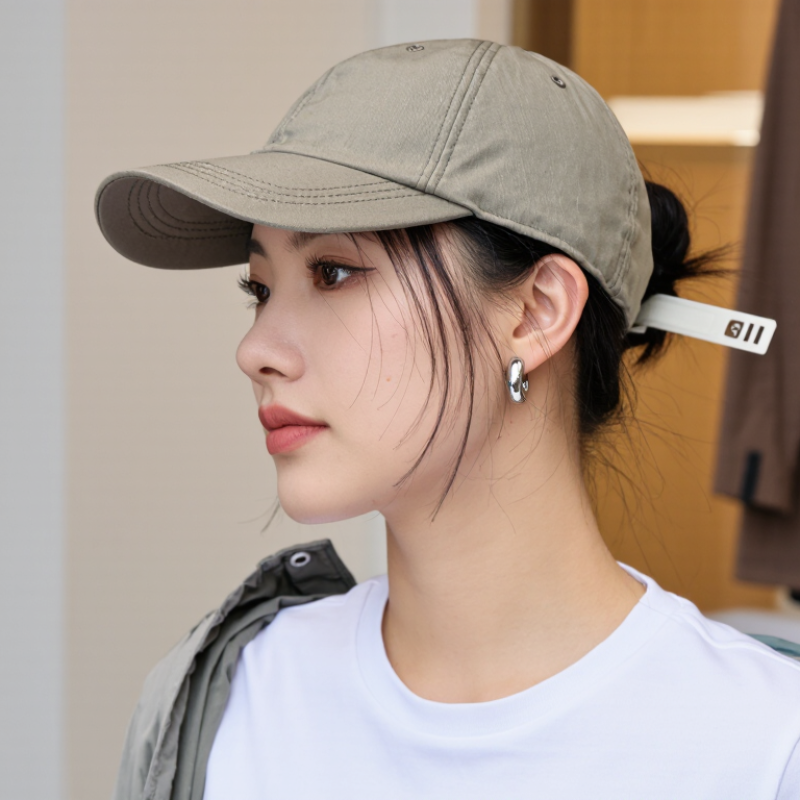
Choosing a Womens Snapback Hat is about more than picking a color or following a trend. The right cap should feel secure, sit comfortably, and suit the way you dress. Fashion designer Vivienne Westwood’s advice, “Buy less, choose well, make it last,” offers a useful standard for any accessory purchase. Applied to snapbacks, it means checking construction and fit before being won over by a bold logo. Small details matter.

Start with the crown and closure. A structured crown keeps its shape, while an adjustable snap closure makes it easier to fine-tune the fit. Check that the snaps hold firmly and do not pinch when fastened. Then consider the brim: a flat brim gives a sharper, sportier look, while a gently curved brim can feel more relaxed. Neither is automatically better. Your face shape, hairstyle, and comfort should guide the choice, not a rigid rule.

Material matters, too. Cotton twill is a familiar everyday option; mesh panels can add airflow on warm days. Look closely at stitching, seams, and the inside band, where rough edges may cause irritation after hours of wear. Try the cap with your usual jacket or earrings, if possible. That small test can reveal whether the proportions feel balanced. I would not treat one fitting as a perfect answer, though; hair volume and personal comfort change the result. This guide will help you compare fit, materials, design, and care, so your next Womens Snapback Hat feels considered—not merely fashionable.
How to Choose the Best Womens Snapback Hat?

Measure Head Circumference and Match It to the Brand’s Size Chart

Use a flexible tape to measure around your head, just above your eyebrows and ears. Keep it level and snug, but do not pull it tight. Record the measurement in centimeters. Repeat it once; tape placement can shift the result. Small difference. Compare your measurement with the hat’s size chart, not a general size guide. Charts can vary between makers, and an adjustable snapback does not guarantee a comfortable fit. If you fall between sizes, check whether the chart recommends sizing up or down.

Pay attention to crown depth as well as circumference. A hat may fasten securely yet sit too high, press near your temples, or feel tight over thicker hair. Those details are easy to miss when shopping online. NRF and Happy Returns’ 2024 retail returns report estimated $890 billion in U.S. merchandise returns, equal to 16.9% of annual sales. That figure covers all retail, not hats, but it underlines the value of checking measurements before ordering. If the chart does not explain how a size is measured, treat the recommendation as approximate and contact the seller for clarification. A size chart is useful, not infallible.

Check Crown Depth, Brim Width, and Snapback Adjustment for a Secure Fit

A women’s snapback should sit securely without pressing hard against the forehead. Check crown depth by wearing the hat for several minutes, not just glancing in a mirror. A shallow crown may perch high and shift when you turn your head. A deeper crown can feel steadier, but too much depth may cover your ears or bunch your hair. Fit is personal.

Brim width affects comfort and balance. A brim that extends slightly beyond your face can provide useful shade, while an overly wide one may catch the wind or feel awkward indoors. Look straight ahead and turn your head gently. The brim should not block your view or bump your glasses. I’d avoid judging width from a product photo alone; camera angles can make proportions look different.

Adjust the snapback with your hair in its usual style, especially if you wear a ponytail or thick curls. Fasten it snugly, leaving enough room for a fingertip beneath the band. Too loose, and the hat may slide; too tight, and pressure can build around your temples. Walk around and tilt your head. Small details matter. If the fit feels nearly right but keeps slipping, the crown shape may simply not suit you.

Compare Fiber Content and Care Labels Under FTC Rule 16 CFR Part 303

When comparing women’s snapback hats, check the fiber label before judging softness or structure. For textile products covered by FTC rules, 16 CFR Part 303 requires generic fiber names and fiber percentages by weight. Percentages are generally listed from the largest share to the smallest. A hat labeled “cotton, 60%; polyester, 40%” gives more useful information than a vague “cotton blend.” Small amounts of some fibers may appear as “other fiber,” so the label may not tell the whole story. Feel the crown and brim, too; a stiff panel can feel different from a soft, unstructured cap.

Care instructions are separate. FTC care-label requirements are in 16 CFR Part 423, not Part 303. Read the care label for washing or cleaning directions, especially if the hat has a shaped brim, dark dye, or a fabric-covered snap. “Spot clean” and “machine wash” are not interchangeable. If instructions are missing or unclear, check the seller’s product details before washing. I’ve learned the hard way that a quick rinse can leave a brim misshapen. Labels help, but construction and finish matter as well.

Assess Sun Protection: UPF 50+ Allows No More Than 2% UV Transmission

When choosing a women's snapback hat, treat UPF 50+ as a useful fabric rating, not a promise of complete sun coverage. Under standardized testing, UPF 50+ fabric allows no more than 2% of tested ultraviolet radiation to pass through. That means it blocks about 98%. The distinction matters: the rating describes the fabric, while the hat’s shape determines which areas stay shaded.

Check the brim in daylight. A short or sharply curved brim may leave your cheeks exposed when the sun is low. Look for closely woven fabric with no thin, see-through patches, and check that the brim holds its shape when adjusted. Testing conditions can affect results; stretching, wear, or moisture may change how fabric performs. Small detail, big difference.

A snapback still leaves your ears and neck uncovered, even with a high UPF rating. Pair it with shade and other sun-protective clothing, and use sunscreen on exposed skin. Follow the care label, since harsh washing or repeated wear may affect the fabric. I used to focus on the number alone. That was too simple. A comfortable fit matters, too, because a hat that slips off is unlikely to provide steady shade.

How to Choose the Best Women’s Snapback Hat?

UPF 50+ fabric transmits no more than 2% of UV radiation under the relevant test conditions. Lower transmission means more UV is blocked. For sun protection, also consider the hat’s coverage and wear it as part of a broader sun-safe routine.

Verify UPF Claims Using AATCC TM183 Ultraviolet Transmittance Testing

How to Choose the Best Womens Snapback Hat?
Verify UPF Claims Using AATCC TM183 Ultraviolet Transmittance Testing

A hat’s UPF claim is only as useful as its evidence. AATCC TM183 measures how much ultraviolet radiation passes through textile material. A test report may include ultraviolet transmittance results and a calculated ultraviolet protection factor. Ask to see the report, not just a number printed on a tag. Check that it identifies the tested fabric and matches the hat’s color and material. A pale sample or different fabric may behave differently. I’d also check the test date and method; reports can be easy to misread.

Tips: Ask whether the finished hat or only a fabric swatch was tested. Check the brim’s width and how much of your face and neck it covers.

Even strong fabric results cannot protect areas left uncovered. Snapback fit matters, too: a loose crown can shift, exposing more scalp or forehead. Look for clear care instructions, since washing and wear may affect fabric over time. If the report is vague, pause and ask questions. I still find UPF labels easier to trust when the supporting details are available. A useful hat should feel comfortable enough to wear, not just look protective.

How to Choose the Best Womens Snapback Hat? - Verify UPF Claims Using AATCC TM183 Ultraviolet Transmittance Testing

Selection or verification dimension What to check Useful data or benchmark Why it matters for a snapback hat
UPF claim Look for a stated UPF value and a test report that identifies the tested fabric and test method. UPF is the reciprocal of erythemally weighted UV transmittance. For example, UPF 50 corresponds to approximately 2% weighted UV transmission through the tested material. A fabric UPF result describes the tested material; it does not by itself measure how much of the wearer’s head, face, ears, or neck the hat covers.
AATCC TM183 method Check that the report cites AATCC TM183 and includes the result, specimen description, and relevant test conditions. AATCC TM183 is a method for determining the transmission or blocking of erythemally weighted ultraviolet radiation through textile materials. Using a named method makes it easier to understand how a fabric’s UV-transmission result was determined and to compare reports on a consistent basis.
UPF-to-transmission examples Use the reciprocal relationship as a way to interpret a reported UPF value—not as a substitute for the test report. UPF 15 ≈ 6.7%; UPF 30 ≈ 3.3%; UPF 50 ≈ 2.0% erythemally weighted UV transmission. These percentages are mathematical conversions from the UPF values, not measurements of any particular hat or fabric.
Fabric and color Confirm that the tested specimen matches the hat’s actual fabric, color, and construction as closely as possible. UV transmission can vary with textile characteristics, including fiber, fabric construction, and color. A result for one fabric or color should not automatically be assumed to apply to every variation of a hat.
Fit and adjustability Check that the snapback adjustment allows a secure, comfortable fit without excessive gaps. Fit is a design consideration; AATCC TM183 does not provide a fit or coverage score. A well-fitting hat is more likely to stay in position during wear, but fit does not change the reported fabric UPF value.
Brim and coverage Assess the brim’s width and shape, and consider whether the ears and neck need additional shade. Coverage depends on hat design, wearing position, and sun angle; a fabric transmittance test does not quantify these factors. A snapback’s brim may shade the face, while the ears and back of the neck can remain exposed.
Stretch, moisture, and wear Ask whether the test conditions reflect the intended use, especially if the fabric may be stretched, wet, or repeatedly worn. Textile UV protection can be affected by use conditions; the report’s specimen preparation and test conditions help define what its result represents. A result for an unstretched, dry specimen may not describe every real-world wearing condition.
Evidence behind the claim Prefer a report that clearly connects the tested specimen to the fabric used in the hat and states the method and result. AATCC TM183 provides a test method; it does not, on its own, verify the hat’s total sun coverage or guarantee protection in every condition. Checking both the test evidence and the hat’s physical coverage gives a more complete basis for choosing.

Note: UPF examples above are calculated from the reciprocal relationship and are not product test results. A hat’s practical sun protection also depends on coverage, fit, wearing position, and conditions of use.

FAQS

What should I check on a women’s snapback hat fiber label?

Look for generic fiber names and percentages by weight. A label showing “cotton, 60%; polyester, 40%” is clearer than “cotton blend.” Small amounts may be listed as “other fiber.”

Does a higher cotton percentage mean the hat feels softer?

Not always. The crown, brim, and lining affect how a hat feels. A stiff front panel can feel firm even when the fabric contains mostly cotton.

How do I know whether a snapback can be machine washed?

Check its care label. “Spot clean” does not mean machine washable. If the directions are unclear, check the product details before washing.

Can washing change a hat’s shape?

Yes. Water and handling can affect a shaped brim or fabric-covered snap. I once rinsed a cap quickly, and the brim looked uneven afterward.

What evidence supports a hat’s UPF claim?

Ask for a test report showing ultraviolet transmittance results and a calculated protection factor. A number on a tag alone gives little detail.

Should the test report match the finished hat?

Ideally, yes. Check whether the report covers the finished hat or only a fabric swatch. Match the tested color and material to the hat you plan to wear.

Does a high UPF result protect my whole face and neck?

No. A wide brim can cover more skin, but uncovered areas remain exposed. Check the brim from the front and sides.

How should a snapback fit for everyday wear?

The crown should feel secure without pressing hard. If it shifts when you turn your head, more scalp or forehead may become exposed. I still find fit easy to overlook.

Conclusion

Choosing the right Womens Snapback Hat starts with measuring your head circumference and comparing it with the size chart provided for the hat. Since sizing can vary, check the crown depth and brim width as well as the measurement. Adjust the snapback closure so the hat feels secure without squeezing or shifting during wear.

Before buying, review the fiber content and care label to understand what the hat is made of and how to maintain it. Textile labeling requirements, including 16 CFR Part 303, provide a reference for the information shown on labels. For sun protection, look for a verified UPF 50+ rating, which indicates that no more than 2% of ultraviolet radiation passes through the tested material. AATCC TM183 measures ultraviolet transmittance and can help substantiate UPF claims. Together, careful fit checks, clear labeling, and credible test information make it easier to choose a comfortable hat suited to your needs.


Charlotte

Charlotte

Charlotte is a seasoned marketing professional with a deep understanding of the company's portfolio and a passion for elevating its presence in the market. With a keen eye for detail and a commitment to excellence, she ensures that our professional blog is regularly updated with insightful articles......