For global buyers in 2026, the Sun Hat market is becoming more practical, technical, and style-conscious. Wide-brim hats remain strong for beach retailers, resort stores, and outdoor distributors. Packable bucket hats attract younger travelers because they fit easily inside small luggage. Visors serve active customers, although they leave the sides and back of the neck exposed.
Dr. Deborah Sarnoff, president of The Skin Cancer Foundation, has stated, “A hat is an important part of a complete sun-protection strategy, but it cannot replace sunscreen.” Her point matters to buyers selecting products for real outdoor use. A dense weave, broad coverage, adjustable sizing, and tested UPF performance can improve product credibility. Breathable cotton suits relaxed travel collections. Recycled polyester may offer lighter weight and faster drying. Natural straw creates visual appeal, but quality varies between suppliers.
No style wins everywhere. That assumption deserves a second look. Buyers in humid regions may prefer ventilated crowns and moisture-resistant materials. Customers in windy coastal areas need chin cords or secure inner bands. Foldable designs save space, but repeated packing can cause creases and shape loss. Even attractive hats can fail when brims block vision or sizing feels inconsistent.
This guide will compare the leading Sun Hat styles for international purchasing teams. It will examine protection, comfort, durability, branding space, seasonal demand, and sourcing practicality. The discussion will also consider small details, such as sweatband softness, brim recovery, color fading, and packaging volume. These details often decide whether a product earns repeat orders. Reliable testing and honest specifications remain essential. Marketing alone is not enough.
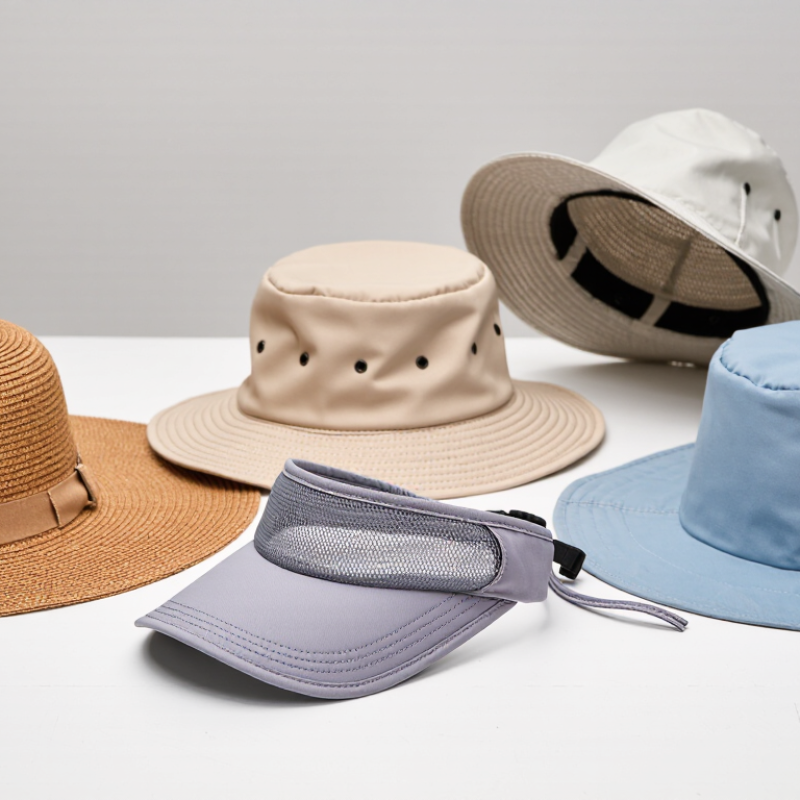
In 2026, a sun hat style means more than shape or color. Global buyers now assess protection, comfort, packability, and cultural usability together. Wide-brim hats remain strong for beach, resort, and outdoor markets. Their broad coverage creates a clear visual promise. However, large brims can become unstable in coastal wind. A chin cord, flexible edge, and balanced crown improve real-world performance.
Packable bucket hats and foldable canvas styles suit travelers and urban consumers. Ventilated crowns help in humid climates, while lightweight recycled fibers may support sustainability goals. Still, material claims need test records and clear care instructions. UPF protection should come from verified testing, not attractive wording alone. Field testing shows that a comfortable adjustable sweatband often matters more than a fashionable detail. Fit remains personal.
Tips: Compare brim width, crown depth, ventilation, and adjustment range before placing large orders. Request samples for hot, windy, and rainy conditions. Check stitching around cords and folding points. Buyers should also review labeling, fiber content, and market-specific safety requirements. One common mistake is choosing a beautiful hat that feels heavy after twenty minutes. That lesson is easy to miss during showroom reviews. Regional preferences also deserve attention; a style popular in one market may feel impractical elsewhere. Reliable sourcing combines visual appeal with measurable performance and honest limitations.
In 2026, sun hat choices are shaped less by fashion calendars than by heat, humidity, wind, and luggage space. Global buyers increasingly compare wide-brim hats, ventilated safari hats, and packable bucket styles. A wide brim suits open beaches and high-UV cities, while a shorter brim feels safer on crowded streets. In tropical climates, breathable woven fibers and mesh panels help release trapped heat. In dry regions, a denser crown can reduce direct sunlight and slow moisture loss. However, no hat solves every climate problem. Buyers may overvalue appearance and underestimate sweat, glare, and sudden rain.
Travel routines also change design priorities. A foldable hat works well for train journeys, small carry-ons, and spontaneous outdoor stops. Adjustable cords matter on coastal routes, where gusts can turn a comfortable hat into lost luggage. Buyers should check brim recovery after packing, crown stitching, and size-adjustment strength. UPF-rated fabric offers useful guidance, but protection also depends on brim width and fit. Dark colors may absorb more heat, though they can hide dust better. That trade-off needs honest testing. Reliable suppliers should provide material details and test documentation.
Tips
Match the hat to the destination, not the product photo. For humid trips, choose airflow and quick-drying materials. For strong wind, choose a secure chin cord. Test the folded hat before departure. If it creases permanently, it is not truly travel-ready.
| Sun Hat Style | Best-Fit Climate | Typical Buyer Need | Recommended Design Specifications | Travel Advantages | Main Limitation |
|---|---|---|---|---|---|
| Wide-Brim Packable Hat | Tropical, subtropical, desert, and high-UV destinations | Maximum face, neck, and shoulder coverage | 8–12 cm brim; UPF 50+ fabric; breathable crown; adjustable chin cord | Folds or rolls into luggage; suitable for sightseeing and beach travel | A broad brim can be less stable in strong wind |
| Safari Hat | Hot, dry, dusty, and mixed outdoor environments | Long-duration outdoor protection and secure fit | 7–10 cm brim; ventilated side panels; moisture-wicking sweatband; chin cord | Stable during walking, hiking, wildlife tours, and outdoor work | Less compact than soft foldable styles |
| Packable Bucket Hat | Urban summer, coastal, tropical, and humid climates | Compact everyday sun protection with casual styling | 5–7 cm downward brim; lightweight quick-dry fabric; UPF 50+ option | Easy to fold, store, and carry between destinations | Provides less shoulder and neck coverage than a wide-brim hat |
| Ventilated Sun Cap | Warm, humid, and active outdoor conditions | Low-weight protection for running, cycling, and day trips | 5–8 cm front visor; mesh ventilation; sweatband; adjustable rear closure | Lightweight, familiar, and easy to combine with sports clothing | Limited protection for the ears and sides of the face |
| Rollable Straw-Effect Hat | Dry summer, resort, cruise, and leisure destinations | Fashion-led sun protection for holidays and outdoor dining | 8–11 cm brim; flexible woven construction; internal size adjuster | Can be rolled for short periods and packed in soft luggage | May lose shape if compressed for too long or exposed to moisture |
| Water-Resistant Wide-Brim Hat | Coastal, monsoon, changeable, and rainy-season climates | Sun and light-rain protection during unpredictable weather | 7–10 cm brim; water-repellent shell; sealed or reinforced seams; chin cord | Useful for walking tours, boating, festivals, and outdoor commuting | Coated fabrics may feel warmer than uncoated breathable materials |
| Neck-Coverage Sun Hat | High-UV beaches, mountain areas, farms, and outdoor work sites | Extended protection for the neck and upper shoulders | 6–9 cm brim; 15–25 cm rear neck flap; UPF 50+ fabric; ventilation zones | Reduces the need for frequent sunscreen application on the neck | Less suitable for formal urban styling and indoor use |
| High-Altitude Outdoor Hat | Mountain, plateau, snow-reflection, and strong-wind environments | High UV exposure combined with wind and temperature changes | 6–9 cm brim; UPF 50+ fabric; wind-resistant construction; secure chin cord | Suitable for trekking, travel photography, and active excursions | Requires a more secure fit and may be heavier than casual hats |
For global buyers in 2026, sun hat materials must balance protection, comfort, and shipping practicality. Breathable cotton remains popular in dry, casual markets. However, it can absorb sweat and dry slowly in humid regions. Recycled polyester dries faster and keeps its shape during repeated wear. It may feel less natural, though. Lightweight paper fiber offers a structured appearance, but moisture resistance needs careful testing.
International buyers increasingly check certified UPF performance instead of trusting fabric labels alone. A wide brim, around 8 to 10 centimeters, can shade the face, ears, and neck more effectively.
Ventilation panels help reduce heat buildup under strong sunlight. A soft sweatband improves comfort during long outdoor use. Small details matter.
Packability is also important for online orders and travel retail. Foldable designs should recover their shape after compression. In my product evaluations, weak stitching often caused more complaints than the fabric itself.
Reinforced brim edges and secure chin cords improve durability in windy locations. Adjustable inner bands support different head sizes, but overly tight bands create pressure. That trade-off deserves more attention.
Color affects buying decisions too. Light shades generally feel cooler, while darker shades may hide marks better.
Care instructions should match the material and local washing habits. A hat that looks excellent in a studio may fail after salt, rain, and repeated folding. Better sampling includes real weather tests, not only attractive photographs.
What Are the Top Sun Hat Styles for Global Buyers in 2026?
How the Leading Sun Hat Styles Compare by Use and Audience
Wide-brim hats remain strong for resort travel, gardening, and outdoor hospitality. Their broad coverage protects the face, ears, and neck. Grand View Research valued the global sun care products market at about USD 13 billion in 2023. This supports continued demand for visible UV protection. However, wide brims can feel unstable in coastal wind. Internal adjusters and chin cords matter.
Bucket hats suit younger urban buyers, festival visitors, and casual travelers. They pack easily and match everyday clothing. Legionnaire hats serve children, hikers, and field workers better. Their extended neck flap adds practical coverage during long exposure. The World Health Organization reports that ultraviolet radiation contributes significantly to skin cancer risk. Buyers should therefore check fabric density, brim coverage, and tested UPF performance. Style alone is not enough. I have seen attractive hats fail when the brim collapses during movement.
Tips: Match the hat to the activity, climate, and audience. Choose breathable woven fabric for humid markets. Use quick-drying materials for trekking and water-side travel. For children, prioritize secure fit and soft edges. For wholesale orders, request independent test reports, size measurements, colorfastness data, and product photos in natural light. A packable hat saves space, but repeated folding can weaken its shape. Test that detail before scaling an order.
How the leading sun hat styles compare by use and audience
The index reflects practical design characteristics: brim coverage, protection for the neck and ears, ventilation, packability, and suitability for active use. Wide-brim and legionnaire hats provide the strongest overall coverage, while visors and baseball caps are lighter and more suitable for casual urban activities.
In 2026, global buyers are comparing more than appearance when selecting sun hats. Wide-brim hats, structured bucket hats, and foldable travel styles remain practical options. The right design depends on climate, retail channel, and customer habits. Fit matters. A hat that slips in coastal wind can create returns, even if its fabric performs well. Ask suppliers for measurable brim width, crown depth, head circumference, and adjustment range. Request samples in light and dark colors. Color transfer may appear only after sweat and sunlight exposure.
Before placing an order, verify fiber content, stitching, sweatband construction, and ventilation details. For UPF or UV-protection claims, request current test reports from competent laboratories, not only supplier statements. Check whether testing matches the actual fabric, color, and finished hat. A recycled-fiber claim also needs traceable documentation. Small details reveal production discipline: even topstitching, clean seams, firm eyelets, and packaging that prevents crushing. Confirm minimum order quantities, sample approval rules, lead times, inspection standards, and replacement procedures in writing. I have learned that a low unit price can hide expensive rework. That lesson is easy to overlook.
Tips: Compare at least three samples before negotiating. Test fit on several head sizes. Rub the inner band with a damp white cloth. Leave one sample in direct sun for several days. Ask who performs final inspection. Keep photos, measurements, and approved materials in one signed specification sheet. Buyers should review destination-market labeling and consumer-safety requirements with a qualified local adviser. Requirements differ, and assumptions can age badly.
Cotton feels natural and breathes well in dry climates, but sweat can remain trapped in humid weather. Recycled polyester dries faster and holds its shape during repeated wear. Paper fiber looks structured. Moisture testing remains necessary.
Look for tested UPF performance, not fabric labels alone. A brim around 8 to 10 centimeters can shade the face, ears, and neck. Ventilation panels reduce heat buildup. Small details matter.
Wide-brim hats suit resorts, gardens, and outdoor hospitality. Bucket hats fit urban travel and casual clothing. Legionnaire hats offer better neck coverage for children, hikers, and field workers.
Choose breathable woven fabric for humid markets. Quick-drying materials suit trekking and water-side travel. Light colors may feel cooler, while darker colors can hide marks. Climate changes the better choice.
A soft sweatband reduces irritation during extended wear. Adjustable inner bands fit different head sizes. Overly tight bands create pressure, however. Comfort needs real testing.
Request independent test reports, size measurements, colorfastness data, and natural-light product photos. Test the hat after rain, salt exposure, and repeated folding. Studio photos can mislead.
Foldable designs save packing space and reduce shipping volume. They should recover their shape after compression. Weak stitching and repeated folding may cause problems. I would test this more carefully.
Coastal wind can destabilize wide brims. Reinforced edges and secure chin cords improve stability. Strong stitching matters as much as the fabric. That detail is easy to overlook.
Choose soft edges, secure fits, and useful neck coverage. Avoid bands that press tightly around the head. Check movement, comfort, and coverage together. No single feature is enough.
In 2026, a successful Sun Hat style is defined by more than appearance. Global buyers are looking for designs that combine reliable sun protection, lightweight comfort, easy packing, and adaptable styling. Climate and travel needs strongly influence these choices: wide brims and breathable fabrics suit hot, sunny destinations, while adjustable cords, moisture-resistant finishes, and packable structures improve convenience for travelers. Materials such as natural fibers, recycled textiles, and durable synthetic blends may appeal to different audiences depending on comfort, sustainability goals, cost, and performance expectations.
Leading styles can be compared by purpose and user. Wide-brim hats are suitable for beach trips and outdoor leisure, bucket hats offer casual versatility, and structured hats may serve resort, travel, or event-focused customers. Before sourcing, global buyers should check brim coverage, sizing options, color consistency, material quality, stitching, packaging, care instructions, and production reliability. Clear specifications, practical testing, and awareness of regional climate preferences can help buyers select Sun Hat collections that balance function, fashion, comfort, and commercial value in 2026.