Why Is a Golf Hat Essential for Every Golfer?
A Golf Hat is more than a familiar piece of golf clothing. It shields the eyes, frames vision, and adds practical comfort during long rounds. The R&A’s Golf Around the World 2023 report recorded 66.6 million adult golfers across 206 countries. That figure reflects a large community spending hours outdoors, often under direct sunlight. The Skin Cancer Foundation also identifies hats and protective clothing as important defenses against ultraviolet exposure. A visor may feel light. A structured cap may feel steadier in wind.
Headwear designer John Ashworth explains, “A Golf Hat should disappear into the golfer’s routine while protecting the golfer from the course.” The wording sounds simple, but the design challenge is real. A quality hat needs breathable fabric, stable stitching, and a brim that blocks glare without restricting peripheral vision. Sweatbands matter, too. A damp band can become distracting by the ninth hole. Poor fit can leave pressure around the temples.
Golf apparel market analyses, including Grand View Research, show continuing demand for functional and stylish golf clothing. Yet product popularity does not guarantee performance. Some hats look polished but trap heat. Others offer impressive branding but weak sun coverage. That is worth questioning. The ideal Golf Hat should match the golfer, weather, and playing habits. It should remain comfortable from the opening tee to the final green. Small details can protect concentration. Sometimes, that is the difference between enjoying the round and constantly adjusting your hat.
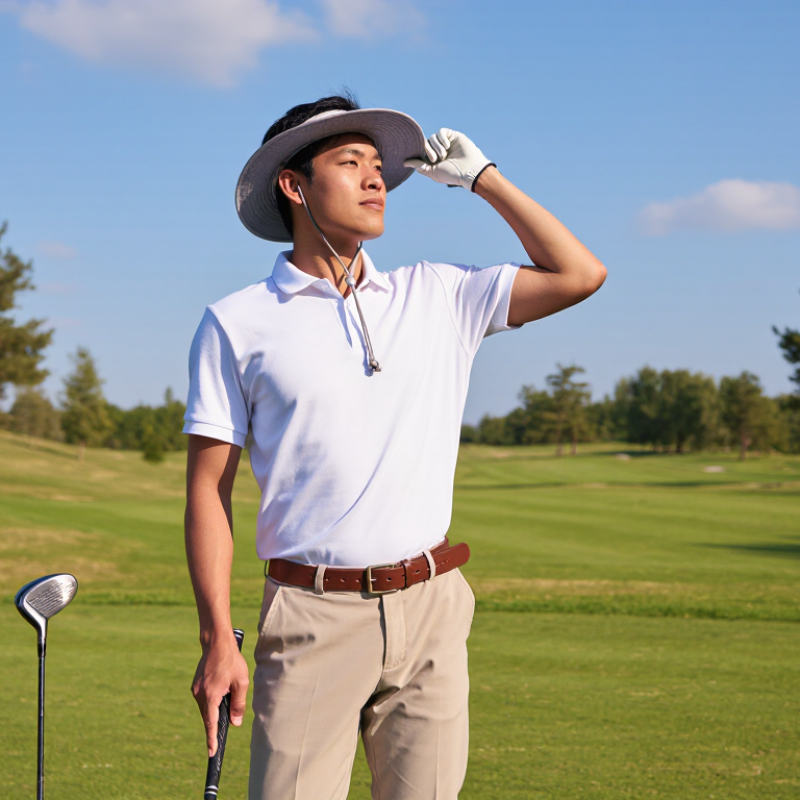
A golf hat is a lightweight head covering designed for comfort, shade, and basic protection during play. It usually has a curved brim, breathable fabric, and an adjustable band. The brim blocks direct sunlight from the eyes and face. This can reduce glare when reading a putt or tracking a high shot. A golf hat is not complete sun protection. Sunscreen and sunglasses still matter.
During long rounds, I have found that a hat helps manage sweat around the forehead and eyes. A secure fit also prevents distractions when walking, swinging, or bending to mark a ball. Ventilation is important. Poor airflow can make the head feel hot, especially in humid weather. A light, quick-drying material often feels more practical than heavy cotton. Still, the best choice depends on personal comfort, hair length, and local weather.
A golf hat can also support clear vision in changing conditions. Its brim may help during low morning sun or sudden brightness after clouds move away. In light rain, it can keep drops away from the eyes, although it will not replace proper rainwear. I once chose a hat that looked useful but felt tight after several holes. That mistake reminded me that appearance should not lead the decision. Check the fit, stitching, brim shape, and cleaning instructions before playing. A reliable hat should stay comfortable, stable, and useful from the first tee to the final green.
A golf hat is more than part of a golfer’s outfit. On a bright course, it shades the forehead, eyes, and upper face from direct sunlight. This reduces glare when reading greens and following a high shot. A curved brim can also limit squinting, which helps maintain focus over eighteen holes. Sun protection still matters. A hat cannot block every exposed area, so sunscreen and suitable clothing remain important.
Heat creates another challenge. A lightweight hat with breathable panels allows air to move around the head. A moisture-wicking sweatband can keep perspiration away from the eyes and grip. I have played in hats that felt comfortable for nine holes, then became heavy and irritating by the back nine. That experience taught me to value ventilation more than appearance. In changing weather, water-resistant fabric helps during a brief shower, while a secure fit prevents strong wind from carrying the hat away.
Tips: Choose a brim that shades your eyes without limiting vision. Check the fit before playing, especially when bending to read a putt. Wash the sweatband regularly, because salt and dirt reduce comfort. Carry a spare hat on hot days. Small details matter.
| Protection Area | Relevant Outdoor Condition | How a Golf Hat Helps | Useful Hat Features | Practical Selection Guidance |
|---|---|---|---|---|
| Ultraviolet radiation | UV Index 3 or higher requires increased sun protection. | The crown and brim provide physical shade for the scalp, forehead, eyes, ears, and parts of the face. | Wide brim, tightly woven fabric, and a UPF-rated material. | Choose a brim that shades the face and ears; apply sunscreen to uncovered skin because a hat does not provide complete protection. |
| Eye comfort and glare | Bright sunlight, reflective grass, sand, or water can make it harder to track the ball. | A firm front brim reduces direct overhead light entering the eyes and can improve visual comfort. | Structured brim, low-glare underside, and a secure fit. | Select a brim that stays level without blocking the golfer’s normal field of view. |
| Heat and perspiration | Hot, sunny rounds increase discomfort and sweating, especially during prolonged walking. | Shade can reduce direct solar heating of the head, while breathable fabric helps moisture evaporate. | Mesh ventilation panels, moisture-wicking sweatband, and lightweight fabric. | Use a light-colored, breathable hat and replace or wash it when the sweatband becomes saturated. |
| Rain and damp conditions | Light rain or intermittent showers can affect comfort and visibility. | The brim helps keep some rain away from the eyes and face, allowing clearer vision during a swing. | Water-resistant fabric, quick-drying construction, and a brim that retains its shape when wet. | For prolonged heavy rain, pair the hat with dedicated waterproof clothing; ordinary golf hats are not automatically waterproof. |
| Wind | Open courses and exposed fairways can produce sudden or sustained wind. | A properly fitted hat protects the scalp while reducing the need to shield the eyes with a hand. | Adjustable closure, snug sweatband, and optional chin or retention strap. | Adjust the hat so it remains secure without creating pressure points or restricting comfort. |
| Cold-weather comfort | Cool temperatures and wind can cause noticeable heat loss from exposed areas of the head. | A warmer hat adds insulation and helps reduce discomfort during early-morning or late-season rounds. | Insulating fabric, ear coverage, and a close but comfortable fit. | Use a warm model that does not interfere with head movement, hearing, or the golf swing. |
| Focus and performance | Squinting, sweat, glare, and repeated hat adjustments can be distracting during a round. | Consistent shade and sweat control can improve comfort and help the player maintain concentration. | Stable fit, breathable sweatband, balanced brim, and low-profile construction. | Prioritize comfort and stability; a hat should stay in place throughout walking, setup, and the swing. |
| Safety note: A golf hat is an important part of outdoor protection, but it does not replace sunscreen, sunglasses, hydration, weather-appropriate clothing, or seeking shade during extreme conditions. UV Index categories and sun-protection guidance are consistent with widely used public-health recommendations. | ||||
Why Is a Golf Hat Essential for Every Golfer?
A golf hat should manage sunlight, heat, and visual distraction. A firm, curved brim shields the eyes without blocking the swing path. The Skin Cancer Foundation recommends a brim of at least three inches for stronger facial coverage. A lightweight fabric also matters during slow rounds. According to the World Health Organization, ultraviolet exposure rises with the UV Index, even when clouds soften the light. UPF 50 fabric allows roughly 2% of ultraviolet radiation through, based on standard UPF calculations. That protection is useful, but not perfect.
Visibility depends on small design choices. A low-glare underside can reduce reflected light from sand and grass. Ventilation panels help release heat around the crown. Moisture-wicking fabric keeps sweat from reaching the eyebrows. An adjustable band prevents pressure after several hours. I prefer a stable fit, yet a very tight hat can create its own discomfort. That is easy to overlook. A pale, matte-colored crown may also feel cooler than a dark, shiny surface, although personal comfort varies.
Tips: Check the brim from your normal address position. It should shade your eyes without touching your glasses. Choose UPF-rated fabric, breathable panels, and a sweatband that dries quickly. Test the hat on a windy practice range, not only in a shop. A loose fit may improve comfort, but it can reduce visibility when the brim shifts.
A golf hat helps protect the face, scalp, and eyes from direct sunlight while reducing glare during setup and putting. UPF measures the fraction of ultraviolet radiation transmitted through fabric: a UPF 30 material allows about 3.3% through, while UPF 50+ allows no more than 2%. For everyday comfort and visibility, look for UPF 50+, a curved brim, a moisture-wicking sweatband, breathable fabric, and a secure but non-tight fit.
Data basis: UV transmission is calculated as 100 ÷ UPF rating. UPF 50+ is shown at the maximum 2% transmission level.
A golf hat supports performance by controlling distractions before they become mistakes. A curved brim can reduce glare from bright fairways and reflective sand. That matters when reading a putt or tracking a high shot. In my experience, steady shade makes it easier to keep visual attention on the ball. Small details count.
Sweat management also affects concentration. A breathable hat can move moisture away from the forehead during a warm round. A damp brim, however, may feel irritating and demand constant adjustment. The fit should stay secure without pressing behind the ears. Wind exposes poor design quickly. A loose hat can interrupt your pre-shot routine at the worst moment. That happened to me more than once.
Comfort supports a consistent rhythm, but it does not replace preparation. A hat cannot correct poor alignment, rushed breathing, or weak course strategy. It may help protect the face and scalp from prolonged sunlight, yet sun protection should include other sensible measures. I prefer a lightweight hat with a firm brim and adjustable closure. Still, personal comfort varies, and my choice may not suit every golfer. Testing it during practice is more reliable than judging it in a shop. When the hat stays unnoticed, attention remains where it belongs: on the next shot.
A golf hat protects your eyes, face, and scalp during long hours outdoors. It also helps you track the ball when sunlight becomes harsh. However, choosing the right hat depends on the playing conditions, not only personal style. A lightweight cap suits warm, dry mornings. Look for breathable fabric and small ventilation panels. A dark underside can reduce glare near the brim. I once chose a thick hat on a humid day. It trapped heat and became distracting by the ninth hole.
Windy courses require a secure fit. Adjustable closures can prevent the hat from lifting during a full swing. For strong sun, select a wider brim or a structured cap with reliable coverage. On cooler days, a warmer fabric may feel comfortable, but avoid excessive thickness if you walk frequently. Light rain changes the decision again. A water-resistant material can keep brief showers manageable, though no hat replaces proper rain equipment. Comfort still matters. If the brim blocks your view, protection becomes a disadvantage.
Tips: Check the forecast before leaving. Try the hat with your sunglasses. Move your head naturally and watch for pressure points. Choose a sweatband that dries quickly. Wash it as care instructions recommend. Replace it when the brim loses shape. My own preference is not always correct; course shade, temperature, and wind can change the best choice.
A curved brim shades the forehead, eyes, and upper face. It can reduce glare while reading greens or tracking a high shot. It cannot cover every exposed area.
Choose lightweight fabric, breathable panels, and a moisture-wicking sweatband. These features help release heat and keep sweat away from your eyes. Small details matter.
An adjustable closure helps prevent the hat from lifting during a swing. Test the fit outdoors, because a loose brim may shift and block your view.
A brim around three inches can provide broader shade for the face. Check it from your normal address position. Wider is not always better.
No. UPF 50 fabric allows roughly 2% of ultraviolet radiation through under standard calculations. Sunscreen and suitable clothing are still needed.
A lightweight cap with ventilation panels usually works well. Avoid thick fabric if you walk frequently. I once chose heavy material and regretted it by the ninth hole.
A dark, low-glare underside can reduce reflected light from grass and sand. A pale, matte crown may also feel cooler than a shiny dark surface.
Wash the sweatband according to its care instructions. Salt and dirt can reduce comfort. Replace the hat when the brim loses shape.
A spare hat can help on very hot days or during sudden rain. Keep it dry in your golf bag. It may seem unnecessary until the first hat becomes soaked.
A Golf Hat is an essential part of a golfer’s on-course clothing, combining practical protection with everyday comfort. It helps shield the face, eyes, and scalp from strong sunlight while reducing the effects of heat, glare, wind, and light rain. By improving visibility and keeping the eyes more comfortable, a well-designed hat can help golfers stay focused during every shot and avoid distractions caused by changing weather conditions.
The right Golf Hat should be lightweight, breathable, and comfortable for long hours of play. Features such as moisture control, a secure fit, a curved brim, and adjustable sizing can improve comfort and visual clarity without restricting movement. Golfers should also consider the conditions they usually face: airy materials for hot days, added coverage for intense sun, and water-resistant construction for unsettled weather. Choosing a suitable hat supports concentration, confidence, and a more enjoyable round.