 Chenyou Hats Chenyou Hats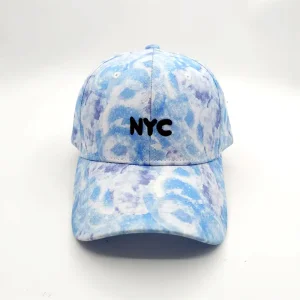

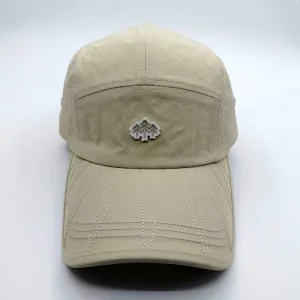
The global demand for high-performance breathable fabrics has evolved from a niche outdoor athletics segment into a multi-billion-dollar industrial imperative. Driven by rising global ambient temperatures, expanded consumer participation in endurance sports, and heightened ergonomic requirements in occupational safety wear, corporate apparel buyers now evaluate textile suppliers not merely on unit cost, but on precise thermodynamic performance metrics.
Rapid moisture evacuation and passive evaporative cooling are mandatory. Outdoor performance caps and apparel demand Moisture Vapor Transmission Rates (MVTR) exceeding 10,000 g/m²/24h to prevent microclimate saturation during intensive physical exertion.
Occupational heat strain is a major industrial hazard. Breathable headwear, hi-vis protective gear, and medical PPE require low thermal resistance ($R_{et} < 6 \, \text{m}^2\text{Pa/W}$) while maintaining barrier protection against particulate contaminants.
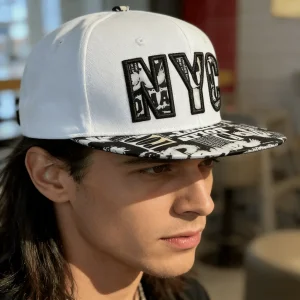
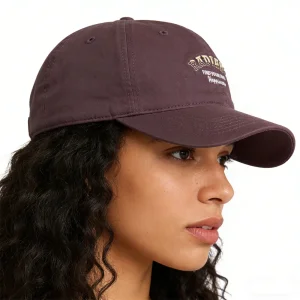
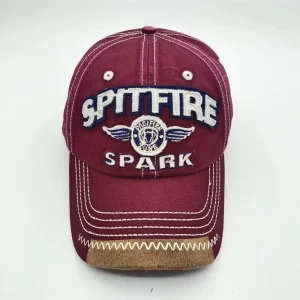
Modern consumers expect lifestyle headwear and outerwear to blend aesthetic customization with active technical performance. Tie-dye prints, 3D embroidery, and vintage washed cotton must co-exist with breathable laser-perforated mesh panels.
Achieving optimal breathability requires a delicate balance between capillary wicking capacity and atmospheric gas permeability. China's leading textile engineers at Qingdao Chenyou utilize a dual-path engineering strategy combining physical micro-porous membrane lamination with bio-mimetic cross-section yarn geometries.
| Fabric Technology Category | Permeability Index (CFM / ASTM D737) | MVTR (JIS L1099 B1) | Key Engineering Characteristics | Target Application |
|---|---|---|---|---|
| Micro-Porous ePTFE Membrane | 1.2 – 3.5 CFM | 12,000 – 18,000 g/m²/24h | Hydrophobic sub-micron pores block liquid water molecules while allowing water vapor gas release. | Extreme Weather Outdoor & Premium Headwear |
| Biomimetic Capillary Wicking Mesh | 120 – 250 CFM | > 20,000 g/m²/24h | Multi-channel cross-section yarns (Coolmax-type) accelerate liquid transport via surface tension differentials. | Marathon Running Caps & Summer Sports Hats |
| 3D Spacer Warp-Knit Mesh | 180 – 320 CFM | > 22,000 g/m²/24h | Dual-layer micro-monofilament structure creating a 3mm air cavity for active convective dissipation. | Tactical Caps, Helmet Liners & Heavy-Duty Gear |
| Phase-Change Material (PCM) Cotton Twill | 15 – 45 CFM | 8,000 – 12,000 g/m²/24h | Micro-encapsulated thermoregulating paraffin micro-spheres absorb body heat during high thermal spikes. | Luxury Lifestyle & Executive Corporate Caps |
By engineering the inner fabric layer to be hydrophilic (moisture-attracting) and the exterior surface to be hydrophobic (moisture-repelling), our advanced headwear fabrics create a unidirectional moisture pump that prevents wet-cling onto skin.
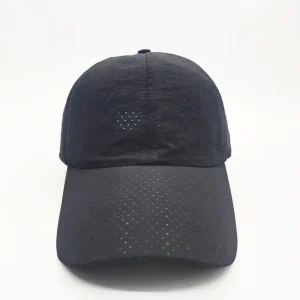
Utilizing digital CNC laser-cutting modules, we introduce micro-ventilation matrix arrays directly onto high-density synthetic panels (such as 100% polyester quick-dry running caps), boosting air exchange by 340% without compromising structural integrity.
Aligned with global decarbonization goals, our breathable fabrics incorporate GRS-certified 100% recycled PET polymers derived from post-consumer water bottles, treated with fluorine-free C0 DWR water repellents.
China remains the undisputed epicenter of technical textile manufacturing, accounting for over 50% of the world’s synthetic functional fabric processing. Positioned within Ligezhuang Town, Qingdao—globally recognized as the premium headwear manufacturing hub—Qingdao Chenyou Hat Industry Co., Ltd. leverages a concentrated industrial cluster that provides unparalleled competitive moats for international brand buyers.
From yarn spinning, functional dyeing, and micro-pore lamination to custom 3D embroidery, peak molding, and final packing, 95% of our supply chain inputs are sourced within a 30-kilometer radius. This eliminates international raw material freight delays.
Our agile prototype line produces complex custom breathable cap samples within 5 to 7 business days. Supported by 50+ skilled technicians and 5 automated production lines in our 5,000 m² factory, we scale seamlessly from low MOQ trial orders to 100,000+ unit mass production runs.
Every batch of breathable fabric undergoes rigorous hydrostatic head pressure testing, air permeability verification (ASTM D737), and colorfastness evaluations prior to panel stitching, ensuring zero defect propagation.
Breathable fabrics are engineered to solve microclimate challenges across vastly different geographical regions and operational conditions. Understanding how specific end-users interact with functional textiles allows us to customize fabric weights, weave densities, and surface finishes for targeted performance outcomes.
In regions such as Southeast Asia, Florida, or Northern Australia, extreme humidity inhibits sweat evaporation. Our ultra-lightweight running caps (35g–45g) employ hyper-porous polyester meshes treated with fast-wicking hydrophilic chemistry to maximize moisture shedding before condensation occurs.
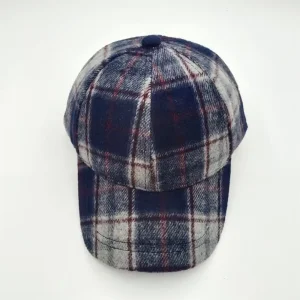
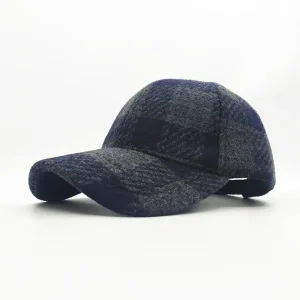
In European ski resorts or North American winter trails, active users require windproof barrier protection alongside moisture vapor release. Our plaid wool blend winter caps and fleece-lined technical beanies utilize micro-porous membrane interlinings to retain body heat while expelling moisture vapor.
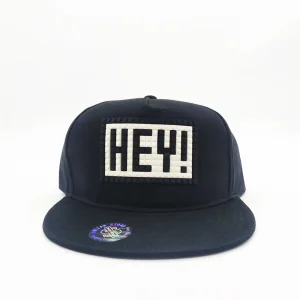
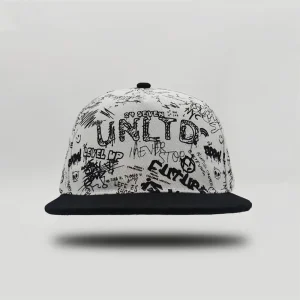
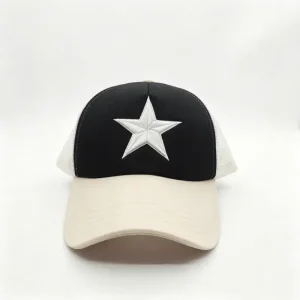
Gaming culture snapbacks and urban streetwear bucket hats demand structured aesthetic retention alongside thermal comfort during long indoor wear. Deconstructed cotton twill blended with elastane and rear mesh panels provides structured shape retention without sweat build-up.
Navigating international import regulations requires absolute transparency in chemical composition, environmental safety, and structural performance. Qingdao Chenyou guarantees full compliance across major international markets including North America, the European Union, Japan, and Australia.
| Compliance Standard | Governing Body / Region | Technical Scope & Mandate | Qingdao Chenyou Compliance Status |
|---|---|---|---|
| OEKO-TEX® Standard 100 | International Association (EU/USA) | Certification for raw textiles ensuring zero harmful levels of toxic heavy metals, pesticides, or carcinogenic dyes. | Fully Certified (Class I & II) |
| REACH Regulation (EC 1907/2006) | European Chemicals Agency (ECHA) | Strict restriction of SVHC (Substances of Very High Concern), including PFAS/PFOA waterproofing treatments. | Passes SVHC Screen (C0 DWR Options) |
| ASTM D737 Air Permeability | ASTM International (USA) | Standard test method for air permeability of textile fabrics measuring cubic feet per minute (CFM). | Verified Batch Test Reports Included |
| ISO 11092 / EN 31092 ($R_{et}$) | International Organization for Standardization | Sweating guarded-hotplate test measuring water vapor resistance under steady-state thermal conditions. | Lab Tested ($R_{et} < 4.5 \, \text{m}^2\text{Pa/W}$) |
Clear, transparent answers to help purchasing managers, brand founders, and apparel buyers evaluate technical fabric specifications, minimum order quantities, custom branding techniques, and lead times.