 Chenyou Hats Chenyou Hats
 Direct-from-factory custom baseball caps, snapbacks, and performance headwear manufactured under ISO 9001 certification.
The global commercial headwear sector is undergoing a profound structural shift. According to recent macro-apparel intelligence reports, the global market for sports and lifestyle caps is projected to exceed USD 26.4 Billion by 2028, driven by expanding athleisure lifestyle trends, esports merchandising, and corporate promotional branding. However, for high-volume enterprise buyers, brand directors, and supply chain executives, navigating the global vendor landscape requires moving far beyond basic supplier directories.
Modern procurement mandates stringent quality assurance, traceable raw material sourcing, automated precision production, and verifiable ESG (Environmental, Social, and Governance) compliance. This white paper serves as a comprehensive operational benchmark for identifying, auditing, and contracting with high-quality baseball hats suppliers & factories worldwide.
Understanding geographical manufacturing hubs is essential for optimizing procurement lead times, freight expenditures, and duty tariff exposure. The global headwear manufacturing landscape is concentrated within specialized industrial clusters, each offering distinct operational advantages:
Recognized as the premiere global capital for premium custom headwear. Qingdao features complete supply chain verticality—from high-density cotton spinning and dyeing mills to advanced 3D embroidery facilities and automated visor molding complexes. High expertise in complex multi-panel caps, luxury finishes, and low-MOQ rapid sampling.
Factories located across Vietnam, Cambodia, and Bangladesh offer competitive labor cost advantages for massive volume promotional orders (50,000+ units). However, raw material dependency on imported fabrics often results in longer initial sampling cycles and rigid minimum order thresholds.
Facilities in Mexico, Turkey, and Eastern Europe cater to rapid replenishment programs for fast-fashion retail chains. While transit times to Western markets are minimized, unit production costs remain 40% to 70% higher compared to East Asian integrated industrial zones.
Achieving flawless crown shape retention, ergonomic fit, and long-term durability requires structural precision at every stage of construction. Below is the engineering breakdown executed by high-end baseball cap suppliers.
The structural integrity of a baseball cap depends on panel geometry and inner reinforcement:
Component quality dictates long-term performance under harsh environmental conditions:
Top factories provide comprehensive raw material technical spec sheets to enterprise buyers:
| Fabric Material | Standard Weight (GSM) | Primary Attributes | Target Market Application |
|---|---|---|---|
| Combed Heavy Cotton Twill | 280 - 340 GSM | High breathability, rich color depth, superior embroidery tension | Premium Retail, Streetwear, Lifestyle |
| Recycled Polyester (rPET / GRS) | 180 - 240 GSM | Eco-friendly, water-repellent, high UV protection factor (UPF 50+) | Sustainable Corporate Branding, Outdoor Gear |
| Stretch Suede & Microfiber | 220 - 260 GSM | Soft tactile handfeel, matte luxurious aesthetic, high abrasion resistance | Luxury Sportswear, Tactical & Military Mesh Truckers |
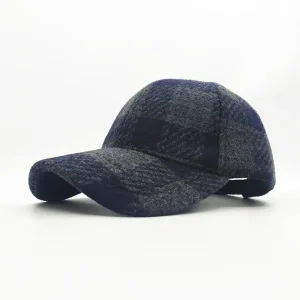
| Plaid Wool Blend / Tweed | 350 - 450 GSM | Thermal insulation, vintage textured aesthetic, shape structure retention | Winter Lifestyle Caps, Country Club & Golf Lines |
High-quality suppliers leverage state-of-the-art decorating machinery to achieve intricate visual designs while maintaining structural durability. Understanding processing techniques enables buyers to balance aesthetic complexity against unit cost.
Utilizing computer-controlled Tajima and Barudan multi-head embroidery machines. High-density EVA foam inserts beneath 3D stitchwork create clean raised elevations (up to 4mm depth) with zero thread fraying or registration drift.
Thermoplastic polyurethane (TPU) and molded silicone patches offer crisp three-dimensional geometric detailing. Heat-sealed or perimeter-stitched to the crown for waterproof, high-tech modern branding.
Precision laser perforation replaces traditional embroidered eyelets, offering custom breathability geometric patterns across side and rear panels without weakening fabric integrity.
Tier-1 baseball hat manufacturers enforce rigorous Quality Control (QC) inspection gates at every stage of the manufacturing pipeline. A robust AQL (Acceptable Quality Limit) standard guarantees compliance prior to ocean container loading.
Prior to cutting, fabric rolls undergo standardized physical and chemical evaluations:
Global brand protection requires sourcing from factory facilities certified under international regulatory frameworks:
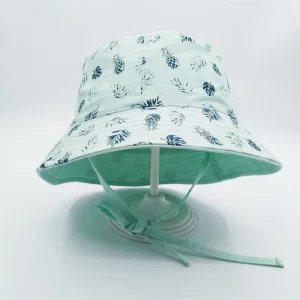
Specialized vintage styles, breathable mesh sports caps, and custom kids headwear engineered for global distribution.
Streamlining the transition from conceptual vector artwork to high-volume commercial production requires a structured OEM/ODM workflow. Professional headwear suppliers adhere to defined Service Level Agreements (SLAs):
The buyer submits 2D vector files (AI, EPS, or PDF) detailing Pantone spot colors (TPX/TCX), crown dimensions, stitch specs, and placement coordinates. Factory engineers generate 3D embroidery digitizing proofs within 24 hours.
Physical golden samples are produced on dedicated sampling lines in 7 to 10 business days. Samples undergo exact color matching, fit evaluation, and logo registration approval prior to mass production authorization.
Automated cutting, embroidery, sewing assembly, steam shaping, metal detection, and custom carton packaging are completed in 20 to 30 days for standard order volumes (1,000 to 50,000 pieces).
Exporting custom headwear into North American, European, and Asia-Pacific consumer markets requires compliance with region-specific trade regulations, environmental statutes, and labeling directives:
Apparel imported into the United States must comply with FTC Textile Labeling rules (specifying fiber composition percentages and Country of Origin markings). Children's headwear must rigorously satisfy CPSIA (Consumer Product Safety Improvement Act) limits regarding lead content in snaps/buckles and phthalate restrictions in screen inks.
Headwear destined for EU member states must fulfill REACH Annex XVII restrictions on hazardous chemical substances. Furthermore, newly enacted EU ESG directives mandate full supply chain transparency for recycled polyester claims and plastic-free primary packaging.
Standard factory MOQs typically start at 100 to 300 pieces per colorway/design for custom cotton twill or snapback caps. For specialized technical fabrics (such as custom-dyed GRS-certified recycled polyester or specialized jacquard weaves), fabric mill raw material minimums may raise the initial threshold to 500 or 1,000 units.
3D puff embroidery costs approximately 15% to 30% more than flat embroidery due to the additional foam substrate layer, higher stitch count density requirements, and slower machine operating speeds. Woven or TPU patches often provide a cost-effective solution for extremely intricate logos with fine text below 3mm in height that cannot be achieved via thread embroidery alone.
A comprehensive headwear tech pack must specify: 1) Crown profile height and panel count; 2) Fabric composition and GSM weight; 3) Pantone TPX/TCX color codes for shell, visor, eyelets, and button; 4) Vector logo artwork with exact placement dimensions; 5) Sweatband material and stitch type; 6) Closure type and hardware finish; and 7) Custom inner woven label, care tag, and hangtag artwork.
Top-tier factories utilize virgin High-Density Polyethylene (HDPE) or Polypropylene (PP) plastic visor boards molded under high pressure. Unlike recycled plastics or cheap paperboard insoles, HDPE visors maintain their pre-curved or flat memory shape even after exposure to rain, high humidity, and heat steam pressing during packaging.
FOB (Free on Board) Qingdao or Shanghai is standard for experienced procurement teams managing their own freight forwarders. For turnkey convenience, DDP (Delivered Duty Paid) terms transfer all customs clearance, import duties, and final mile trucking responsibilities to the factory supplier or their logistics partner.
Buyers can conduct third-party audits (via inspection agencies like SGS, Bureau Veritas, or Intertek) assessing ISO 9001 quality management systems, BSCI social compliance scorecards, machine inventory (cutting, sewing, embroidery, iron shaping), and in-line metal detection processes.
Selecting high-quality baseball hats suppliers & factories is a strategic imperative that directly impacts brand equity, customer satisfaction, and supply chain reliability. By auditing raw material certifications, crown engineering capabilities, and automated quality control protocols, global procurement teams can build scalable, high-margin headwear lines with absolute confidence.