 Chenyou Hats Chenyou Hats
 Precision-engineered headwear manufactured according to strict ISO & OEKO-TEX certified processes, designed for global fashion labels, sports franchises, and corporate merchandise.
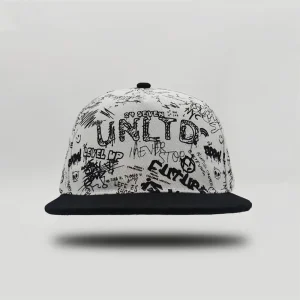
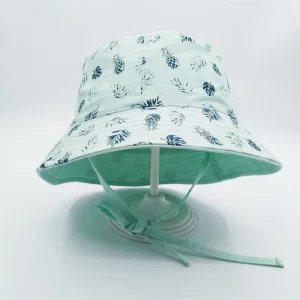
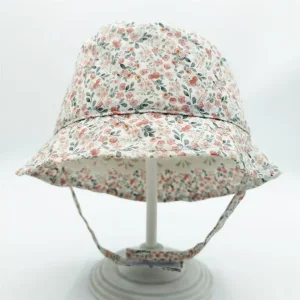
Analyzing the shift toward ultra-precise color retention, automated stitching precision, and sustainable fiber ecosystems in enterprise B2B headwear manufacturing.
In modern corporate apparel, sports licensing, and streetwear retail, Red (Pantone 18-1663 TPX / Pantone 200 C) represents one of the most technically challenging pigments in textile dyeing. Achieving vibrant crimson, scarlet, or ruby hues without risking color migration, crocking, or UV degradation requires advanced reactive dye chemistry. World-class red baseball cap factories utilize computerized spectrophotometer testing to maintain absolute spectral uniformity across volume production batches.
Global apparel conglomerates demand OEM/ODM manufacturing ecosystems that provide seamless ERP integration, digital tech-pack validation, and flexible batch scalability. High-volume buyers prioritize manufacturing facilities capable of switching between structured 6-panel athletic caps, low-profile dad hats, and high-crown snapbacks while strictly maintaining structural integrity and embroidery density specs.
Deconstructing the structural, chemical, and mechanical specs that differentiate commercial-grade caps from world-class luxury headwear.
Standard disperse or acid dyes frequently bleed during washing or sweat exposure. Leading factories employ thermosol reactive dyeing for 100% heavy chino cotton (280-340 GSM) and micro-polyester fabrics. This creates a covalent molecular bond between the red pigment and cellulose fibers, ensuring grade 4.5+ wet/dry rubbing color fastness.
Structured red baseball caps rely on double-layer fusible woven buckram interlining bonded to front panels under micro-controlled temperature (140°C) and pneumatic pressure. This prevents panel collapsing over extended wear while maintaining a clean canvas for 3D puff embroidery and high-density crest patches.
Top-tier factories utilize automated Tajima computerized embroidery heads and multi-needle peak stitching machines. Every visor features virgin PE (Polyethylene) memory inserts that retain precise curvature without warping under high humidity or international maritime transport.
| Technical Metric | Standard Commercial Grade | Leading Red Factory Benchmark | Testing & Compliance Protocol |
|---|---|---|---|
| Color Fastness to Light | Grade 3.0 (ISO 105-B02) | Grade 4.5+ (Xenon Arc Test) | AATCC 16 / ISO 105-B02 |
| Color Migration / Bleeding | Staining observed at 40°C | Zero Bleed (60°C Hot Wash) | ISO 105-C06 / AATCC 61 |
| Stitch Density & Integrity | 6–8 stitches per inch (SPI) | 10–12 SPI Uniform Lockstitch | ASTM D6193 Alignment Specs |
| Embroidery Precision | ±1.5 mm placement variance | ±0.3 mm Optical Camera Alignment | 3D Laser Inspection System |
| Visor Durability | Recycled PVC (Brittle under cold) | Virgin PE Memory Board | Flexibility Test (>10,000 Bends) |
From raw yarn inspection to automated box packing, discover how tier-1 factories guarantee zero-defect shipments.
Tailoring manufacturing workflows to meet the stringent legal, environmental, and trade mandates of key global markets.
Procurement buyers in the US and Canada focus heavily on CPSIA (Consumer Product Safety Improvement Act) compliance, lead-free metal snap closures, phthalate-free screen print inks, and strict anti-flammability standards (16 CFR Part 1610). Premier factories provide full supply chain traceability and lab documentation for seamless customs clearance.
European brand owners require strict compliance with REACH (EC 1907/2006) standards, enforcing absolute prohibitions on azo dyes, heavy metals, and persistent organic pollutants. Additionally, GOTS (Global Organic Textile Standard) and GRS (Global Recycled Standard) certified red fabrics are mandatory for eco-conscious EU retail labels.
High-temperature, high-humidity climates in the GCC region and Southeast Asia necessitate advanced moisture-wicking synthetic mesh panels, anti-microbial inner sweatbands, and UPF 50+ UV shielding treatments. Factories cater to rapid re-order turnarounds through flexible ocean and air logistics routing.
How zero-water dyeing, bio-based visor cores, and AI-driven quality inspection are reshaping the future of headwear manufacturing.
Traditional textile dyeing consumes up to 100 liters of water per kilogram of fabric. Next-generation red baseball cap factories are introducing supercritical carbon dioxide (scCO2) dyeing systems. This zero-water process eliminates industrial liquid effluent entirely, infuses deep crimson pigments into synthetic and natural fibers under pressure, and reduces thermal energy consumption by 45%.
Replacing manual inspection tables, smart factories deploy high-definition camera arrays trained on visual recognition models. These AI systems scan moving sewing lines for stitch skips, thread tension anomalies, logo misalignment, and micro color variance in real time, guaranteeing an unprecedented AQL 0.65 standard for enterprise clients.
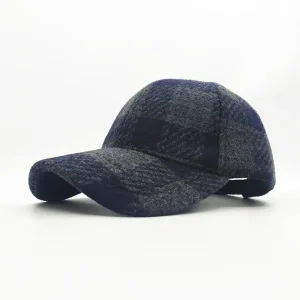
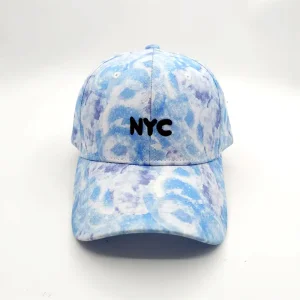
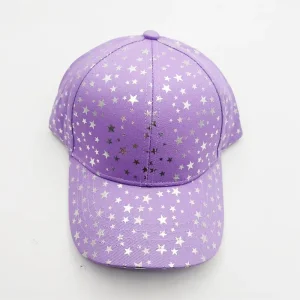
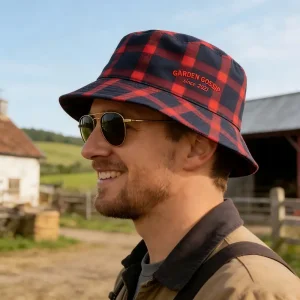
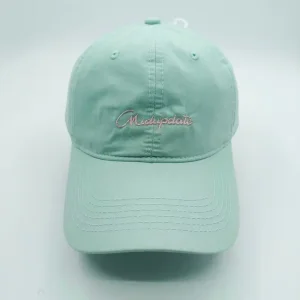
Explore our expanded range of custom sports caps, vintage tartan wool headwear, and specialty children's sun hats.
Expert insights addressing the critical engineering, logistical, and compliance questions raised by international procurement officers.
Color migration (bleeding) is prevented by executing a specialized post-dyeing cationic fixing bath and adopting high-temperature thermosol washing. Additionally, factories utilize hydrophobic polyester embroidery threads and anti-wicking thread barriers on internal sweatband seams, guaranteeing zero bleed even under AATCC 61 accelerated laundering protocols.
Standard OEM production MOQs start at 300 to 500 units per colorway for custom-dyed stock fabrics. For specialized custom-milled Pantone dye lots (e.g., specific crimson or neon red shades), MOQs typically begin at 1,000 units. Accelerated sample prototyping is offered in 7–10 business days upon tech-pack confirmation.
Leading manufacturers operate under strict AQL 1.5 Level II sampling standards for major defects and AQL 4.0 for minor defects. Random sampling includes verification of seam tensile strength, crown symmetry, peak stiffness, embroidery density, closure functionality, and barcode scanning accuracy.
Yes. Using Datacolor 800 spectrophotometers, lab dips are generated on the selected fabric substrate (cotton twill, polyester mesh, wool blend) and submitted for buyer approval under D65 daylight, TL84 store light, and A filament lighting conditions, maintaining a Delta E (ΔE) margin below 0.5.
Tier-1 production facilities maintain ISO 9001 quality management, OEKO-TEX Standard 100 chemical safety, SMETA (Sedex Members Ethical Trade Audit), and BSCI (Business Social Compliance Initiative) social compliance certificates, enabling hassle-free import into North American, European, and Asia-Pacific retail networks.
Partner with an industry-leading red baseball cap manufacturer. Request a comprehensive tech-pack evaluation, factory audit report, or rapid sample kit.
Contact Sourcing Directors