 Chenyou Hats Chenyou Hats
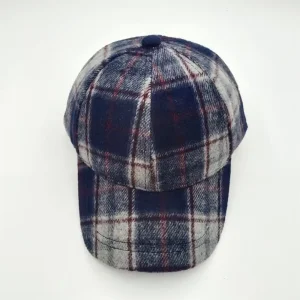
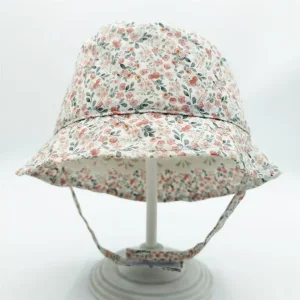
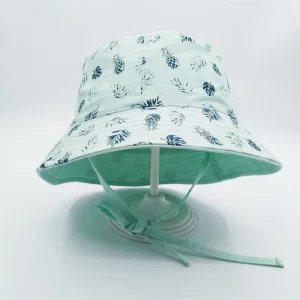
The global headwear market has undergone a structural transformation over the past decade, moving beyond functional sun protection and basic athletic caps into high-value tactical, thermal, and fashion-forward accessory domains. Among winter headwear categories, the fur bucket hat has emerged as a high-growth product, driven by the convergence of luxury streetwear aesthetics, advanced synthetic fleece engineering, and expanding winter outdoor lifestyle demographics across North America, Europe, and Asia-Pacific.
According to global textile trade analytics, the winter plush headwear market segment is projected to exceed $4.8 Billion USD by 2028, expanding at a Compound Annual Growth Rate (CAGR) of 8.4%. The primary growth catalyst is the technological evolution of bio-based micro-acrylics and recycled polyethylene terephthalate (rPET) faux furs. Enterprise buyers, high-street retail brands, and luxury fashion conglomerates are aggressively replacing natural animal pelts with GRS (Global Recycled Standard) certified synthetic fur due to escalating regulatory pressures, ethical consumer sentiment, and strict international import compliance standards.
For enterprise procurement officers and brand directors, selecting a Wholesale Global Leading Fur Bucket Hat Manufacturer & Supplier requires evaluating parameters far beyond mere unit price. Modern procurement demands rigorous auditing of raw material traceability, structural shape memory engineering, thermal resistance ratings (CLO values), fiber shed rates under friction testing, and scalable ODM/OEM production capacities capable of managing demand spikes without sacrificing batch consistency.
Achieving the optimal tactile softness, structural volume, and thermal performance in fur bucket hats requires deep expertise in textile polymer chemistry and precision hat patterning. Modern high-end faux fur bucket hats utilize specialized pile-knitting techniques that simulate the dual-layer structure of natural mink, rabbit, or shearling pelts:
Utilizes 15mm–45mm modacrylic copolymers engineered for natural lustre, flame retardancy, and extreme silkiness. Highly resilient against pile crushing during international transit.
Engineered with multi-layered internal scrims, achieving thermal resistance ratings from 0.95 to 1.45 CLO, keeping wearers warm in sub-zero alpine conditions.
Eliminates edge fraying and post-seam fiber fallout. Automated ultrasonic cutting blades bind raw synthetic backing fibers prior to needle assembly.
A premium fur bucket hat consists of four engineered layers working in harmony to deliver comfort, durability, and brand appeal:
Operating as a top-tier OEM/ODM supplier requires robust supply chain integration across raw material sourcing, automated dye-matching, rapid prototyping, and international customs clearance. Leading manufacturers maintain strategic raw material buffers, allowing private-label clients to transition from initial CAD renders to physical samples within 7–10 days.
| Customization Dimension | Technical Capability & Options | Quality Benchmark Standard |
|---|---|---|
| Fur Pile Customization | Teddy Fleece, Faux Mink, Jacquard Animal Print, Ombré Dip-Dye, Shearling Plush | ISO 9073 Shedding Test Rate < 0.5% |
| Dyeing & Color Accuracy | Pantone TCX / PMS Precision Matching, Eco-Reactive Waterless Dyeing | Delta E < 0.8 / Color Fastness Level 4.5+ |
| Branding Application | 3D Metal Badges, Embossed Leather Patches, HD Direct Embroidery, Woven Labels | Tensile Pull Force > 150N |
| Functional Coatings | Fluorocarbon-free Water Repellency, Anti-Static Fiber Spinning, Anti-Microbial Lining | OEKO-TEX Standard 100 Class I Certified |
| Closure & Sizing | Internal Micro-Adjustable Elastic Drawstring, Reversible Dual-Sided Linings | 10,000 Cycle Flex Resistance |
To streamline risk management for volume buyers, Tier-1 factories implement a 4-Stage Inline Inspection Quality Assurance Protocol based on AQL 1.5 / 2.5 standards. Every production lot undergoes automated needle detection, seam strength flex testing, and steam finishing prior to eco-friendly compression packaging.
Global headwear consumption is highly localized. Brand managers must tailor product lines to regional micro-climates, streetwear subcultures, and retail distribution channels:
Dominated by oversized silhouettes, deep crowns, and bold 3D branding. High demand for neutral earth tones (khaki, off-white, matte black) paired with technical outerwear.
Focuses on GRS-certified recycled shearling and low-pile faux mink. Subtle branding, refined tailored brims, and strict REACH chemical compliance are imperative.
Pioneered in Tokyo and Seoul, consumer preference skews toward 2-in-1 reversible bucket hats (fur exterior, water-repellent nylon interior) in pastel and vibrant palettes.
Choosing the right manufacturing partner requires analyzing total economic impact, risk mitigation, and long-term scalable capacity. Below is an objective comparison between Tier-1 Global Leading Manufacturers, Tier-2 Regional Factories, and General Trading Intermediaries.
| Evaluation Parameter | Tier-1 Global Manufacturer (e.g. Chenyou Industry) | Tier-2 Regional Local Factories | General Trading Companies |
|---|---|---|---|
| R&D & Prototyping | In-house 3D CAD modeling, 7-day rapid turnaround | Basic physical paper pattern drafting (14-21 days) | Outsourced third-party sampling (Unpredictable) |
| Material Traceability | Direct mill relationships; GRS & OEKO-TEX certified | Open market spot purchasing (Variable quality) | Broker-dependent sourcing (No batch control) |
| Production Capacity | 500,000+ units/month across automated lines | 30,000–50,000 units/month (High bottleneck risk) | Subject to sub-contractor availability |
| Defect Rate (AQL) | Strict AQL 1.5 Standard (< 0.8% defect rate) | AQL 2.5–4.0 Standard (2.5%–4.0% defect rate) | No direct quality control over assembly |
| Unit Cost vs Value | Direct factory pricing with high volume economies of scale | Moderate pricing; higher waste overhead | High markup (15%–35% middleman commission) |
As headwear production transitions toward digitalized smart manufacturing, forward-looking suppliers are integrating cutting-edge textile technologies to create the next generation of winter accessories:
Incorporating Phase Change Materials (PCM) inside hat crowns to dynamically absorb excess heat during activity and release heat during rest.
Replacing traditional petro-based acrylics with 100% biodegradable corn-starch derived PLA fibers that decompose naturally in industrial composters.
3D cloth simulation engines allow brands to preview texture, drape, and logo placement in photorealistic VR before initiating physical fabric cuts.
For standard stock fur colors, our factory MOQ starts at 300 pieces per style/colorway. For custom Pantone-matched pile dyeing or bespoke jacquard animal prints, the baseline MOQ is 1,000 pieces per lot to satisfy dye-vat efficiency thresholds.
We utilize automated ultrasonic cutter heads that simultaneous cut and heat-seal the synthetic backing scrim. Additionally, raw panels undergo vacuum suction lint extraction before final assembly stitching, reducing shed rate by over 99% compared to traditional shear cutting.
Yes. All raw fabrics, dyes, interlinings, and metal hardware strictly adhere to OEKO-TEX Standard 100 Class I, EU REACH chemical limits (including zero azo dyes and phthalates), and US CPSIA lead/cadmium regulations. Testing certificates are provided with pre-shipment documentation.
Physical sample creation requires 7–10 business days following digital tech-pack approval. Bulk production lead time ranges between 25 to 35 days depending on batch volume, custom trim complexity, and shipping destination.
Absolutely. Reversible construction is one of our specialty ODM capabilities. We engineer dual-sided crown interlining that prevents bulkiness while allowing clean, lie-flat seams on both the fur exterior and the cotton/nylon/polyester interior.
We pack hats in individually sealed polybags with desiccant packets, utilizing engineered inner cardboard crown formers to prevent pile crush. Bulk master cartons are reinforced with 7-ply corrugated board to resist crushing during sea or air freight.