 Chenyou Hats Chenyou Hats
 High-precision engineered men's baseball caps and specialized headwear manufactured using premium materials, reinforced stitching, and advanced custom branding methodologies.
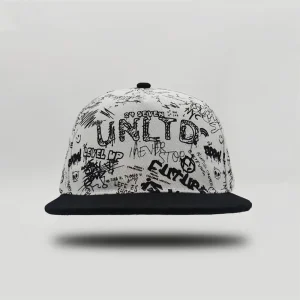
Understanding the structural shifts in global textile manufacturing, consumer ergonomics, automated stitching logistics, and brand OEM integration for wholesale buyers.
Modern commercial headwear procurement demands agile factory workflows capable of shifting between high-volume standard runs and low-MOQ customized capsules. Industry leading facilities deploy lean manufacturing frameworks to mitigate raw material price fluctuations in cotton and synthetic fibers.
Transitioning from basic twills to technical performance textiles—such as hydrophobic nano-coated polyesters, moisture-wicking bamboo charcoal liners, and recycled ocean polymer mesh—allows global suppliers to provide distinct competitive advantages to retail brands.
Global brand buyers require strict adherence to international labor, environmental, and product safety protocols. Leading Chinese headwear factories provide full traceability across OEKO-TEX Standard 100, BSCI social compliance, and REACH chemical parameters.
The global market for wholesale men's baseball caps has evolved from a commoditized apparel niche into a sophisticated sector driven by material innovation, ergonomic structural engineering, and automated customization. As brand identity becomes increasingly tied to premium hardware, precise stitching tolerances, and sustainable sourcing, supply chain directors must evaluate manufacturers not merely on unit cost, but on holistic technical capabilities and compliance transparency.
China remains the undisputed epicenter of world-class headwear manufacturing, centered around highly specialized industrial clusters such as Qingdao and Jiaozhou. These manufacturing hubs integrate localized fabric mills, thread dye houses, visor molding facilities, and custom embroidery plants within immediate physical proximity. This hyper-clustered industrial infrastructure allows premier suppliers to shorten prototyping cycles by up to 65% compared to emerging Southeast Asian alternatives, while maintaining superior dimensional stability and structural consistency in finished caps.
| Technical Parameter | Standard Commercial Grade | Global Leading OEM/Factory Grade | Commercial Value Impact |
|---|---|---|---|
| Fabric Weight (Cotton Twill) | 180 - 220 GSM | 280 - 380 GSM (Heavyweight Brushed) | Enhanced crown structure, premium hand-feel, long-term shape retention. |
| Embroidery Stitch Density | 4,000 - 6,000 Stitches/Logo | 9,000 - 15,000 Stitches (3D High-Puff) | Crisp branding edges, zero fabric puckering, extreme durability. |
| Visor Buckram Insert | Single-layer Recycled PE | Double-curve Virgin Memory Plastic / HDPE | Resistant to snapping, shape memory retention after machine wash. |
| Colorfastness Rating (ISO 105-B02) | Grade 3.0 - 3.5 | Grade 4.5+ (UV Resistant Dyes) | Zero premature fading under intense outdoor solar radiation. |
Measuring global supply chain efficiency through verified manufacturing key performance indicators.
Deconstructing the architectural components, structural reinforcements, and custom embellishment technologies implemented in leading OEM production lines.
The structural silhouette of a men's baseball cap depends entirely on its crown panel configuration (5-panel vs. 6-panel) and buckram backing. Unstructured caps rely on washed cotton twill for a relaxed, lifestyle fit. Structured caps utilize fused double-layer thermal buckram behind the front panels, maintaining a crisp, upright profile that withstands heavy wear, shipping compression, and humidity.
Utilizing computerized multi-head Tajima embroidery machines, leading suppliers achieve sub-millimeter registration across flat embroidery, 3D puff embroidery, woven patches, and laser-etched leather appliques. Modern production line integration allows multi-technique layering—such as high-density screen printing combined with tactile embroidery—to deliver high visual impact for streetwear and corporate clients alike.
Interior sweatbands serve as the primary human-contact boundary. Elite production standards incorporate 4-row stitched cotton twill, quick-dry performance polyester, or antimicrobial foam padding. Closure systems range from classic 7-hole plastic snapbacks and metal embossed buckle cloth straps to tactical stretch-fit elastic bands, matching localized market consumer preferences.
Visors must balance rigidity with shape memory. Advanced factories utilize high-density polyethylene (HDPE) core inserts wrapped in heavy twill, denim, suede, or water-resistant ripstop. Automated visor stitching machines ensure perfectly parallel row spacing (from 4-row to 8-row options) while heat-setting pre-curved visors prevents flat warping over extended shelf life.
Navigating regional sizing variances, seasonal fabric demands, and strict international trade compliance protocols for global distributors.
Demands: Deep crown fits, structured 6-panel snapbacks, high-density 3D team logos, distressed retro washings.
Compliance: Strict adherence to CPSIA lead and phthalate limits, FTC textile fiber identification labeling, and US Customs country of origin marking guidelines.
Demands: Low-profile dad hats, eco-friendly organic cotton, minimal minimalist branding, GRS-certified recycled polyester mesh.
Compliance: Full REACH regulation (EC 1907/2006) compliance, azo dye restriction certifications, OEKO-TEX Standard 100 chemical safety limits.
Demands: Lightweight ultra-breathable mesh trucker caps, UPF 50+ UV protection treatments, moisture-wicking quick-dry fabrics for hot climates.
Compliance: GB 18401 safety specifications in East Asia, customized sizing adjustments for smaller anatomical head circumferences (54-57cm vs US 58-60cm).
Integrating smart textiles, circular zero-waste production, and AI-driven quality inspection into next-generation factories.
The intersection of apparel and technology is creating new commercial opportunities for baseball caps. Future-ready manufacturing facilities are integrating conductive thread stitching, miniature Bluetooth audio modules, thermal-regulating phase-change materials, and flexible solar cells directly into the visor and crown layers without compromising comfort or aesthetics.
Environmental responsibility is shifting from optional marketing to mandatory procurement criteria. Next-generation baseball caps replace traditional virgin plastic visors with ocean-bound recycled plastic or biodegradable algae-based polymers. Waterless dyeing techniques and closed-loop organic cotton sourcing further reduce the environmental footprint of large-scale wholesale orders.
Clear, technical answers to common questions asked by supply chain managers, brand directors, and wholesale buyers.
Standard custom production runs typically start at 300 to 500 pieces per colorway/design. This threshold ensures optimal fabric dye lot efficiency and machine setup economics. However, for specialized prototype testing or premium brand launches, flexible production lines can accommodate lower volume trial orders with slight unit cost adjustments.
We utilize international Pantone Matching System (PMS) color codes (specifically Pantone Solid Coated/Uncoated standards). During the raw fabric preparation phase, lab dips are created and evaluated under standardized D65 light boxes to guarantee a Delta E < 1.0 color variance before full-scale weaving and dyeing commences.
Digital tech pack approval and physical sample creation require 7 to 10 business days. Upon sample approval and deposit confirmation, bulk production takes approximately 25 to 35 days depending on total volume, complexity of embroidery, and seasonal production queue. Expedited air freight or sea freight options (FOB, CIF, DDP) are arranged according to client logistics requirements.
Yes, complete turnkey OEM/ODM branding services include custom satin or woven interior care labels, branded seam taping, high-density printed hangtags with barcodes/RFIDs, individual polybag packaging, and custom corrugated outer shipping master cartons engineered to prevent brim crushing during ocean transit.
Our factory operates under strict AQL 2.5/4.0 inspection standards. Quality control occurs across four distinct stages: 1) Incoming Raw Material Inspection (fabric GSM, colorfastness, tensile strength), 2) In-Line Panel Stitching & Embroidery Check, 3) Pre-Assembly Crown/Visor Inspection, and 4) Final Needle Detector & Metal Contamination Sweep before packaging.
Explore specialized youth, street-culture, snapback, and custom embroidered headwear direct from our certified manufacturing production facility.