 Chenyou Hats Chenyou Hats
 Directly engineered for climate adaptability, pediatric skin safety, and high-volume retail distribution across East Africa.
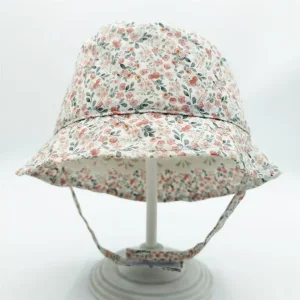
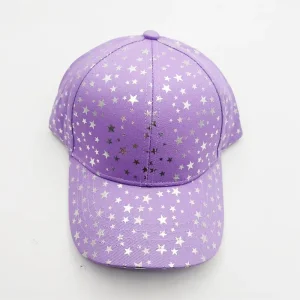
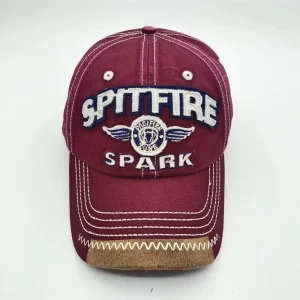
Ethiopia represents one of the most dynamic macro-demographic opportunities across the African continent. With a population exceeding 120 million people—where over 40% are under the age of 15—the demand for durable, affordable, and skin-safe children's headwear is experiencing exponential expansion.
However, importing and custom manufacturing children's hats for the Ethiopian market requires a specialized cross-border manufacturing architecture. B2B buyers, institutional procurement agents, and regional brand owners face multi-layered challenges: navigating strict tariff classifications, assuring chemical safety under pediatric standards, and optimizing cargo routing through the Djibouti maritime corridor to Addis Ababa.
Children in highland urban hubs such as Addis Ababa, Hawassa, and Mekelle are exposed to elevated UV indexes. Brim geometry must adhere to pediatric shade coverage metrics (minimum 6.5 cm brims for infant buckets).
Direct factory-to-port integration via the Qingdao-Djibouti shipping line guarantees streamlined customs clearing under Ethiopian Customs Commission standards, minimizing port demurrage costs.
Empowering Ethiopian apparel retailers, wholesalers, and institutional buyers with proven high-capacity production.
Understanding the interplay between global headwear manufacturing centers (such as Qingdao, China) and local African apparel initiatives (like the Hawassa Industrial Park) is essential for B2B supply chain architects.
While East Africa excels in basic garment assembly, complex structured headwear—such as 6-panel embroidered baseball caps and technical bucket hats—requires specialized multi-head Tajima embroidery setups and rigid buckram lamination that advanced overseas factories provide with high cost-efficiency.
Freight transit from East Asian ports to Djibouti takes approximately 18 to 22 days. From Djibouti Port, container trucks transport goods along the Ethio-Djibouti transport corridor straight into the Addis Ababa Terminal (Kality Dry Port), offering streamlined customs processing.
Under the African Continental Free Trade Area (AfCFTA) and regional trade frameworks, establishing robust OEM relationships allows Ethiopian distributors to secure raw materials and finished goods compliant with international trade codes (HS Code 6505.00 for hats and headgear).
Children's hats are not merely fashion items in Ethiopia; they serve functional, cultural, and institutional purposes. Tailoring designs to regional demands drastically improves retail velocity and customer satisfaction.
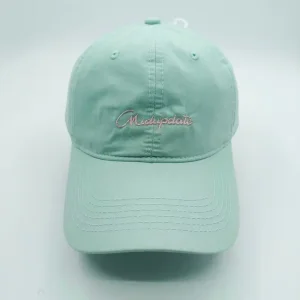
Private academic institutions in Addis Ababa, Bishoftu, and Adama demand standardized, branded headwear. Custom 5-panel and 6-panel cotton twill caps with high-density embroidered school crests serve as mandatory outdoor sun protection gear for students during physical education and outdoor activities.
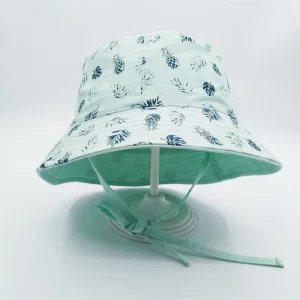
During massive cultural gatherings such as Timkat (Epiphany) or Meskel celebrations, families dress children in festive attire. Lightweight, breathable white or vibrant cotton bucket hats with custom floral or geometric embroidery experience massive seasonal sales surges.
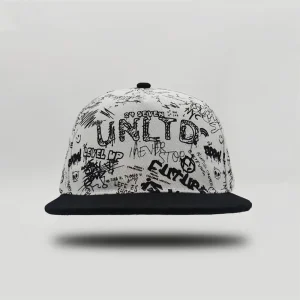
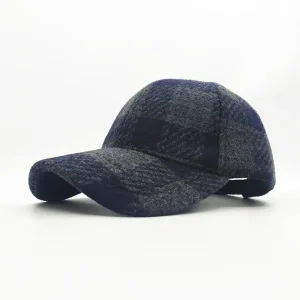
With the rise of modern retail hubs in Bole and Kazanchis, youth fashion in Ethiopia is booming. Hip-hop snapbacks, soccer-themed fan caps (such as Arsenal fan merchandise, hugely popular among Ethiopian youth), and distressed vintage baseball caps represent dominant retail trends.
In warmer lowland regions like Afar, Dire Dawa, and Somali Region, infants require full-coverage sun bonnets and wide-brim fisherman caps featuring chin ties and UPF 50+ fabric treatments to defend against intense heat and ultraviolet exposure.
Manufacturing for infants and children demands strict compliance with chemical, physical, and structural safety parameters to protect young wearers.
Children's sensitive skin easily absorbs chemical residues. All custom fabrics undergo strict eco-friendly processing, certifying zero exposure to harmful aromatic amines, formaldehyde, or heavy metal dyes under OEKO-TEX 100 Class 1 standard.
For infant sun hats featuring chin straps, safety breakout buckles are utilized. Small parts (such as top buttons, rivets, and decorative plastic tags) undergo 90N pull-strength testing to prevent detachment choking hazards.
Utilizing high SPI (Stitches Per Inch) sewing parameters (7-8 SPI), internal seams are fully bound with soft cotton tape to prevent scalp irritation. Inner sweatbands feature moisture-wicking synthetic blends or 100% hypoallergenic terry cloth.
| Quality Metric | Global Standard | Factory Specification | Ethiopian Market Benefit |
|---|---|---|---|
| UV Protection | UPF 40+ to UPF 50+ | Tight weave cotton + UV finish | Blocks 98% of high-altitude UV rays in Addis Ababa |
| Color Fastness | ISO 105-B02 Grade 4+ | Reactive dyeing process | Resists intense sun fading after continuous outdoor wear |
| Needle Detection | 100% Metal Scan | Dual-head optical/magnetic scanner | Eliminates any hazardous broken needle risk in baby gear |
As the East African headwear ecosystem scales, headwear manufacturing is evolving beyond traditional cotton cut-and-sew methods into high-performance, tech-infused textiles and digital supply chain integration.
Brand sustainability is shifting from a bonus to a requirement. Future children's caps for Ethiopian retail chains will feature 100% recycled polyester mesh (derived from post-consumer plastic bottles), drastically cutting carbon footprint while delivering quick-dry capabilities.
To reduce shipping costs and sample turnaround times for clients in Addis Ababa, advanced 3D virtual fitting software creates digital twin renders of embroidery patterns, brim curvature, and closure systems within 24 hours prior to physical physical master sample creation.
Versatile OEM/ODM solutions tailored for streetwear labels, sports fans, and seasonal kids collection lines.
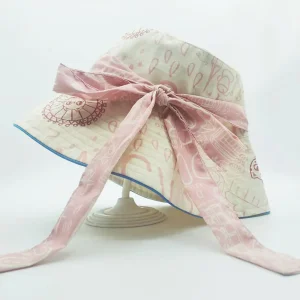
Essential guidance on minimum order quantities, logistics, custom sampling, and tariff documentation.
Our standard Minimum Order Quantity (MOQ) starts as low as 100 to 300 pieces per style/color combination. This flexible structure accommodates boutique retail chains in Addis Ababa as well as large-scale promotional projects without tying up massive working capital.
Physical sample creation takes approximately 7 to 10 business days after digital tech-pack approval. Once the sample is verified by your team, mass production typically completes within 20 to 25 days depending on embroidery complexity and total batch size.
We provide full multimodal shipping solutions: Ocean FCL/LCL cargo shipped directly to Djibouti Port, followed by bonded truck transit along the Ethio-Djibouti corridor to Addis Ababa Modjo Dry Port. For urgent sample batches, air express shipping (DHL/FedEx) direct to Bole International Airport is available.
Yes. We offer OEKO-TEX Standard 100 certified 100% organic cotton twill, GOTS-certified fabrics, and recycled polyester blends. All materials are tested to ensure zero toxic residues, making them perfectly safe for infants and young children.
Partner with an 18-year certified OEM/ODM manufacturing factory. Get custom 3D design mockups, low MOQ quotes, and full door-to-door freight support.
Send Inquiry Now