 Chenyou Hats Chenyou Hats
 Immediate access to our top-performing custom children's hats designed with high UPF ratings, toxic-free dye chemistry, and specialized Japanese breakaway safety toggles.
An in-depth industrial roadmap for apparel buyers, OEM brand managers, and Japanese retail conglomerates importing children's caps and hats into Greater Tokyo.
The Metropolitan Tokyo children's apparel market presents a unique paradox to global manufacturers: while overall national birth rates reflect demographic shifts, consumer spending per child in Tokyo has reached an all-time high. Driven by the socio-economic phenomenon known locally as the "Six Pockets" (六つのポケット)—where expenditure flows from parents alongside both sets of maternal and paternal grandparents—Tokyo parents demand uncompromised premium quality, functional aesthetics, and rigorous safety standards for their children's headwear.
Retail districts such as Daikanyama, Omotesando, Ginza, and Kichijoji set the benchmark for upscale infants' and kids' fashion. In these micro-markets, children's hats are no longer viewed merely as utilitarian items for sun protection; they are essential lifestyle accessories integrated into seasonal wardrobe layering. Modern Tokyo consumers prioritize organic fibers, ergonomic fit, extreme UV blocking capabilities (UPF 50+), and packability for urban transit on the Tokyo Metro network.
To successfully capture market share in Tokyo's department stores (such as Isetan, Takashimaya, and Mitsukoshi) as well as specialty chains (like Akachan Honpo and Nishimatsuya), foreign suppliers must align their supply chains with meticulous Japanese Quality Assurance protocols that far exceed standard EU or US consumer product safety guidelines.
Exporting custom children's headwear into Tokyo requires strict compliance with Japan’s Ministry of Health, Labour and Welfare (MHLW) statutory regulations. Manufacturing facilities producing headwear for infants (under 24 months) and children (ages 3–12) must integrate the following non-negotiable compliance frameworks into their cut-and-sew production lines:
| Regulatory Standard | Target Age Group | Technical Criterion & Threshold | Verification Method |
|---|---|---|---|
| Act No. 112 (Control of Household Goods Containing Harmful Substances) | Infants (< 24 Months) | Absorbance difference < 0.05 (Effectively 0 PPM / Non-detectable Formaldehyde) | Acetylacetone Spectrophotometric Method (JIS L 1041) |
| Act No. 112 (Formaldehyde Standards) | Children (> 24 Months) | Formaldehyde concentration < 75 PPM | High-Performance Liquid Chromatography (HPLC) |
| JIS L 1096 / JIS L 1920 | All Children Categories | Azo Dyes & Heavy Metal Limits (< 30 mg/kg carcinogenic aromatic amines) | Gas Chromatography-Mass Spectrometry (GC-MS) |
| Japan Apparel Safety Standard (Physical Cord Safety) | Children (Ages 0 to 7) | No free-hanging drawstrings in neck/head area; Quick-Release Breakaway Toggles mandatory | Tensile Load Release Testing (< 15N release threshold) |
| 100% Needle Detection Protocol | All Export Batches | Zero metallic fragment residue allowed in fabric or embroidery backing | Dual-Probe Conveyor Needle Detector (Fe 0.8mm sensitivity) |
Our Qingdao manufacturing base operates dedicated Infant-Grade Clean Sewing Lines isolated from synthetic adult production floors. Fabrics are sourced exclusively from certified mills holding OEKO-TEX Standard 100 Class I certification, ensuring total freedom from harmful phthalates, heavy metals, organotin compounds, and banned azo colorants.
Bridging smart production tech with artisanal Japanese finish quality to deliver high-performance, durable, and stylish headwear for urban environments.
Utilizing computerized 3D apparel simulation software to model crown ergonomics specifically optimized for Asian pediatric head shape profiles (Brachycephalic optimization), eliminating side-pressure discomfort.
Replacing traditional raised internal seams with ultrasonic seam-welding and soft microfiber seam taping, preventing skin chafing for toddlers with sensitive or eczema-prone skin.
Infusing non-toxic Titanium Dioxide (TiO2) particles directly into the yarn filaments during extrusion, achieving permanent UPF 50+ UV blocking that maintains 98%+ efficacy even after 50 industrial wash cycles.
Designing custom headwear matched perfectly to Tokyo’s unique micro-climates, urban commuter lifestyle, and seasonal school systems.
Tokyo summers (July–September) feature temperatures exceeding 35°C combined with high humidity. Japanese parents demand kids' hats equipped with moisture-wicking mesh side panels, ultra-lightweight breathable fabrics (Coolmax/Nylon ripstop), extended neck guards (toshin-yoke), and UPF 50+ sun protection for park outings in Yoyogi or Ueno Park.
Tokyo daycares (Hoikuen) and kindergartens (Youtien) strictly require children's caps to feature writeable internal name tags (Neamu Tagu), high-visibility safety reflective stripes for early evening walking routes, and quick-snap chin straps that release under tension to prevent playground entanglement hazards.
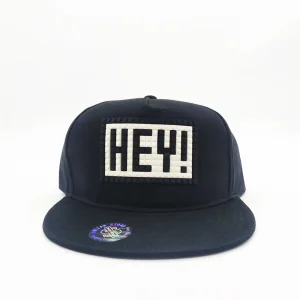
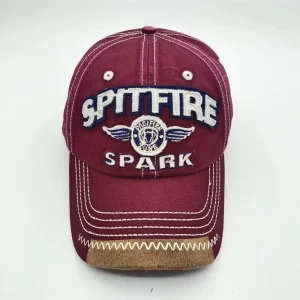
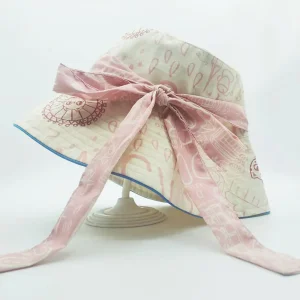
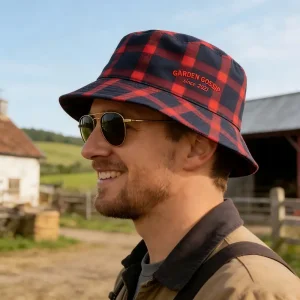
Youth lifestyle brands operating in Harajuku, Shibuya, and Cat Street favor retro 5-panel snapbacks, deconstructed bucket hats, and flat-brill caps featuring bold 3D puff embroidery, vintage plaid patterns, and eco-friendly recycled cotton canvas that resonate with fashion-forward Tokyo parents.
Streamlining the journey from initial tech-pack development to Japanese port customs clearance, guaranteeing zero logistics friction.
We provide 7-day rapid physical sampling backed by digital 3D rendering. Japanese clients receive exact fabric swatch cards, Pantone TCX color matching, and physical embroidery mock-ups for executive approval prior to bulk production runs.
Every unit produced for the Tokyo market undergoes individual polybag sealing with mandatory Japanese safety warning text, scannable JAN/EAN barcodes, JIS wash instructions labels, and country-of-origin tags.
Detailed technical and operational insights regarding our OEM/ODM manufacturing processes, safety verifications, and logistics to Japan.
We isolate all infant hat production lines (ages 0-24 months) in dedicated, dust-free sewing rooms. Fabrics and trims are sourced exclusively from Oeko-Tex Class I certified mills. Each production lot is pre-tested via the acetylacetone spectrophotometric method to guarantee an absorbance difference below 0.05 (0 PPM), providing official lab verification prior to export.
100% of finished headwear items pass through Hashima dual-probe automatic conveyor needle detectors calibrated to detect ferrous metal fragments down to 0.8mm. Inspection logs and batch-specific certificates are packed alongside shipment invoices for seamless Japanese customs clearance and store delivery.
Our standard MOQ is 300 pieces per style/colorway for fully custom OEM orders. However, for specialized Japanese boutique collections testing new market designs, we offer flexible low-MOQ pilot runs starting at 100-200 pieces utilizing stocked premium organic fabrics.
Yes. We manufacture Japanese-compliant quick-release safety chin straps fitted with quick-snap plastic buckles engineered to release under a tensile load exceeding 10-15N, preventing accidental neck strain or choking hazards during outdoor play activities.
Physical pre-production samples are completed within 5-7 business days. Upon sample approval and deposit confirmation, mass production takes approximately 18-25 days. Express air freight to Haneda/Narita takes 2-3 days, while ocean freight to Tokyo/Yokohama ports takes 5-7 days.
Absolutely. We provide complete private label packages, including Japanese language care labels compliant with the latest JIS L 0001 washing symbol standards, Japanese distributor contact details, and JAN barcoding for automated retail inventory systems.
Explore our full line of caps, bucket hats, snapbacks, and beanies customizable for Tokyo wholesalers, private labels, and apparel brands.